 Image 1 of 2
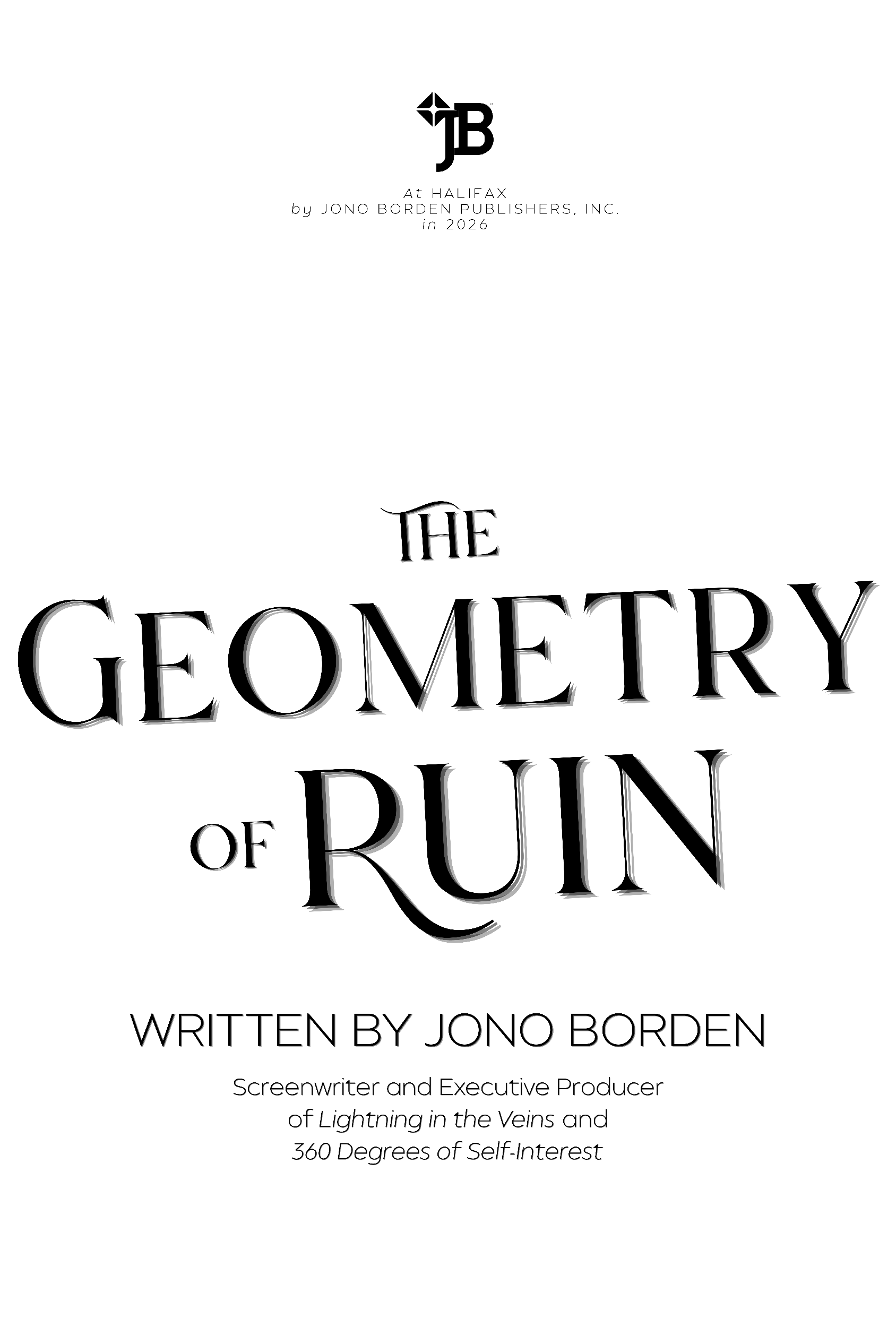 Image 2 of 2
PUBLISHED
Resources for Booksellers and Librarians
Imprint & Rights
Halifax: Jono Borden Publishers, Inc., 2026
First Edition (March 5, 2026)
Rights Territory: Worldwide
CIPO Copyright Registration Number 1245896
Trade Paperback
ISBN-13: 978-1-990382-16-1
ISBN-10: 1-990382-16-9
4to, 8 ½ × 11 × 13/32 in. (21.59 × 27.94 × 1.0 cm)
128 p., 0.7 lbs (0.3 kg)
ISBN-13: 978-1-990382-17-8
ISBN-10: 1-990382-17-7
MB
-
Halifax (N.S.)—History, Military—19th century—Drama
Halifax (N.S.)—Buildings, structures, etc.—History—19th century—Drama
Halifax (N.S.)—Social conditions—19th century—Drama
Great Britain. Army—Royal Engineers—Officers—19th century—Drama
Great Britain. Army—Royal Artillery—Officers—19th century—Drama
Great Britain—Colonies—Defenses—19th century—Drama
-
Paranormal films
Screenplays
Historical films
Gay films
-
PER016000 PERFORMING ARTS / Screenplays
PER004050 PERFORMING ARTS / Film / Screenwriting
PER004120 PERFORMING ARTS / Film / Genres / Historical
-
Monologues & Scenes
Acting & Auditioning
Direction & Production
Romance & Erotica
Horror
Entertainment & Performing Arts
Drama
-
PN1997.3.G46 2026
-
791.43/72—dc23
791.4372 B728g
791.4372 G466b
-
Amazon ID: B00VLFL7BO (author)
GoodReads: 24318181 (author), TBD (book)
IMDb: nm6249977 (author), TBD (book, film)
Inventaire.io: wd:Q136709886 (author)
ISNI: 0000000401709564 (author)
OLID: OL7227063A (author), TBD (book)
SoundCloud: jonoborden (author)
Wikidata: Q136709886 (author)
X/Twitter: @bordenjono (author)
YouTube: @JonoBorden (author)
Notate Bene:
☞ The screenplay was published on the 120ᵗʰ anniversary of the British Army’s Corps of Royal Engineers “evacuating” (departing) Halifax, Nova Scotia for the final time in the garrison’s history, having been a constant presence there (first known as the Corps of Royal Military Artificers, then the Corps of Royal Sappers and Miners, before being called the Corps of Royal Engineers) since the town’s founding on June 21ˢᵗ, 1749. The regiment left the city on March 5ᵗʰ, 1906. They were the last British soldiers to leave Canada, having designed and built every fortification in the colony. They took with them secrets fabricated both above and below ground.
During the 1870s, the Royal Regiment of Artillery garrisoned in Halifax stood at the apex of imperial firepower, manning the heavy (12–18 tonnes apiece) rifled muzzle-loading (RML) gun batteries throughout its city-wide Defence Complex. Even after Canada’s Confederation, the old city during the young country’s early independence remained a Special Overseas Garrison, an Imperial Fortress, Britain’s most important North American base. Tasked with defending Halifax, the primary North Atlantic staging ground of the Royal Navy, these gunners lived in a world dictated by ballistics, geometry, and mechanical precision.
Yet behind the thick masonry casemates and damp subterranean magazines, their daily routine was one of intense, insular confinement. Bound by the Articles of War and the unyielding codes of the Victorian military hierarchy; expectations of hyper-masculinity; devotion to a distant, monolithic, mythic Queen; and duty to an Empire that covered one quarter of the entire planet spanning every continent, the gunners were as much captives of the fortress’s rigid architecture as its defenders. Standing watch over a stronghold designed to keep external threats at bay, while guarding the unwritten truths buried within its walls. Anxious always for an enemy that never arrived, no shot was ever fired in anger in the city’s history. The Royal Artillery (“Gunners”) left Halifax for good on November 24ᵗʰ, 1905, three months before the Royal Engineers (“Sappers”) departed.
Under a crushing paradox of supreme mechanical power and creeping obsolescence, manning the heavy weapons, these gunners served as the teeth of an imperial stronghold guarded by their grit. Routine masked a profound psychological isolation. These men lived and drilled inside an enclosed stone ecosystem where every movement was scrutinized, leaving little room for error and even less for unauthorized truths. They were masters of engines capable of leveling ironclad warships, standing watch over a fortress designed to keep the world out, while desperately keeping their own inner fractures locked tight within.
The Engineers built the secrets into the stone. The Artillery lived among those secrets and held their own inside them. Together, they were the best educated and most sophisticated regiments in the Victorian British Army, its scientific corps. Dignified, disciplined, and distinguished. This is a film about the terror of two of their officers’ incendiary chemistry and the horror that we bury.
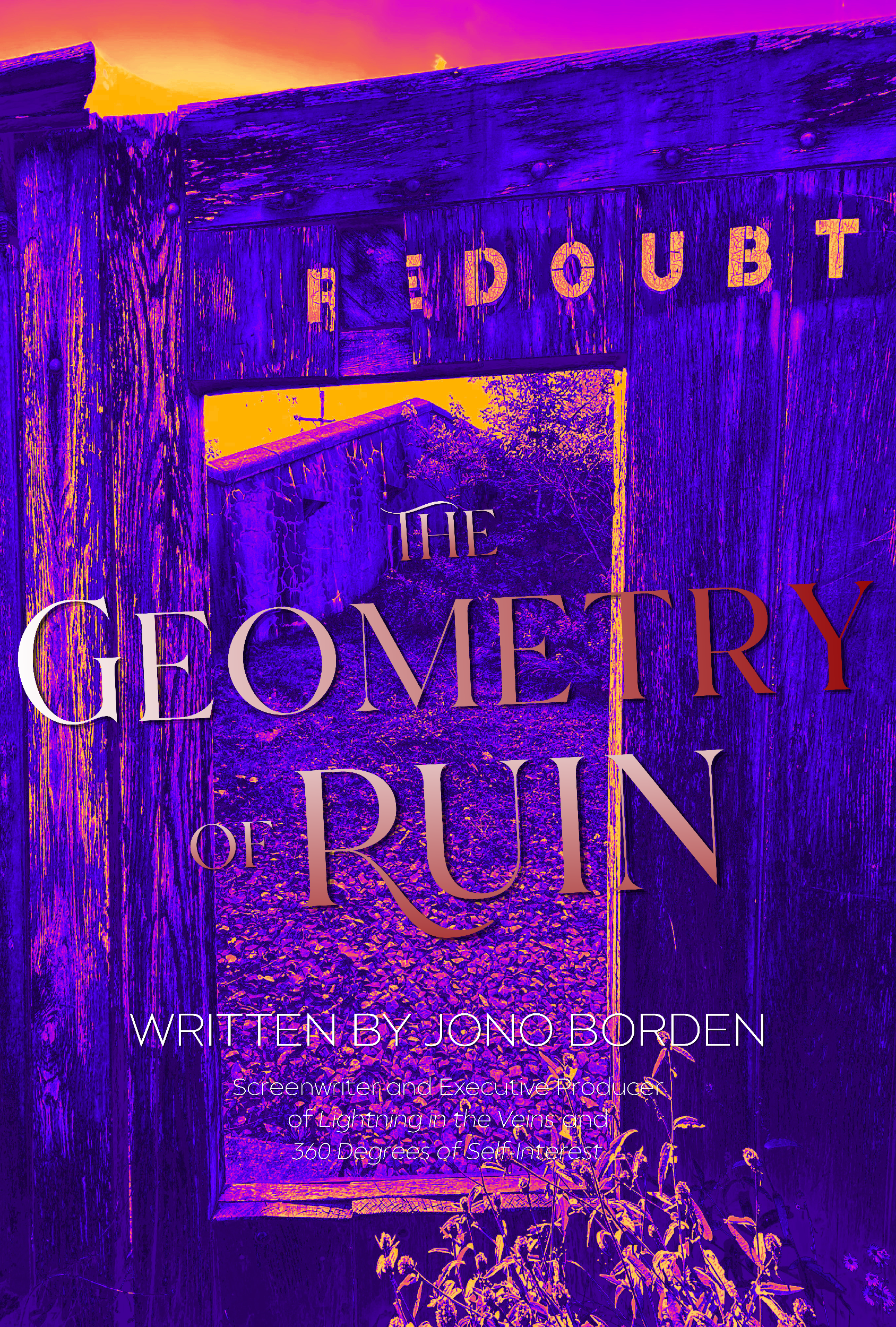
To glimpse posters for the film, glance here.
To witness the transformation of the film from page to screen, see its development by Ritualistic Pictures, Inc. unfold here: The Geometry of Ruin, a part of The Obsidian Mirror Trilogy.