![Aquilifer - Talisman Design.jpg]() Image 1 of 1
Image 1 of 1
Talisman Design, Composition, and Consecration
As contingent as communication is on links, establishing connections in order to maintain them, so, too, is an operation of magic on correspondences. The chain that sustains what mojo you seek to create is tethered to seals.
From the Latin sigillum, source also of the word signature—in this case a graphic design unique to the spirit being called upon, or even condensing into a symbol your entire intention, conveyed as a written character or identifying mark; a visible calling-card of sorts for an invisible force empowering your work—these are the logos of the business of wizardry.
These are those cursive flourishes and angular formations found so often in grimoires—magicians’ personal books of ritual procedures, their aims, outcomes, and field notes.
Manuscripts and tomes yellowed with age, sometimes combining several other texts of forbidden wisdom within them, usually falsely ascribed to mythic figures as their authors, which survived by cunning deception and historical accident persecution and destruction over the centuries.
Most have been lost forever, many are still being discovered by scholars and practitioners, having often ended up in the dusty libraries of princes and eccentric collectors, now in the hands of universities and museums. The geometric language underlying those seemingly sinister squiggles is determined by any number of methods, and in some operations, they are given by the spirits to magicians themselves.
Talismans are objects constructed to extend the accomplishment of this communication, for ease of use in subsequent rituals, or to attract the spirit to the owner, wearer, or bearer of these items. The sigil can function on its own and be applied to talismans, or be adapted to other purposes.
Together and separate, these artworks are alive and serve as beacons to draw to the magician those spiritual creatures summoned by them, because they correspond to what represents and appeals to that being.
Talisman Design, Composition, and Consecration
Where a sigil’s stylized sign summons to its use the spirit(s) it signifies, a talisman carries with its bearer the potential maintained in its material.
Actualizing a symbol’s potential to full magical power is what talismans do, by attracting to corresponding substance the attributes of what spirit(s) its material signifies.
Get notified by email when this product is in stock.
As contingent as communication is on links, establishing connections in order to maintain them, so, too, is an operation of magic on correspondences. The chain that sustains what mojo you seek to create is tethered to seals.
From the Latin sigillum, source also of the word signature—in this case a graphic design unique to the spirit being called upon, or even condensing into a symbol your entire intention, conveyed as a written character or identifying mark; a visible calling-card of sorts for an invisible force empowering your work—these are the logos of the business of wizardry.
These are those cursive flourishes and angular formations found so often in grimoires—magicians’ personal books of ritual procedures, their aims, outcomes, and field notes.
Manuscripts and tomes yellowed with age, sometimes combining several other texts of forbidden wisdom within them, usually falsely ascribed to mythic figures as their authors, which survived by cunning deception and historical accident persecution and destruction over the centuries.
Most have been lost forever, many are still being discovered by scholars and practitioners, having often ended up in the dusty libraries of princes and eccentric collectors, now in the hands of universities and museums. The geometric language underlying those seemingly sinister squiggles is determined by any number of methods, and in some operations, they are given by the spirits to magicians themselves.
Talismans are objects constructed to extend the accomplishment of this communication, for ease of use in subsequent rituals, or to attract the spirit to the owner, wearer, or bearer of these items. The sigil can function on its own and be applied to talismans, or be adapted to other purposes.
Together and separate, these artworks are alive and serve as beacons to draw to the magician those spiritual creatures summoned by them, because they correspond to what represents and appeals to that being.
Talisman Design, Composition, and Consecration
Where a sigil’s stylized sign summons to its use the spirit(s) it signifies, a talisman carries with its bearer the potential maintained in its material.
Actualizing a symbol’s potential to full magical power is what talismans do, by attracting to corresponding substance the attributes of what spirit(s) its material signifies.

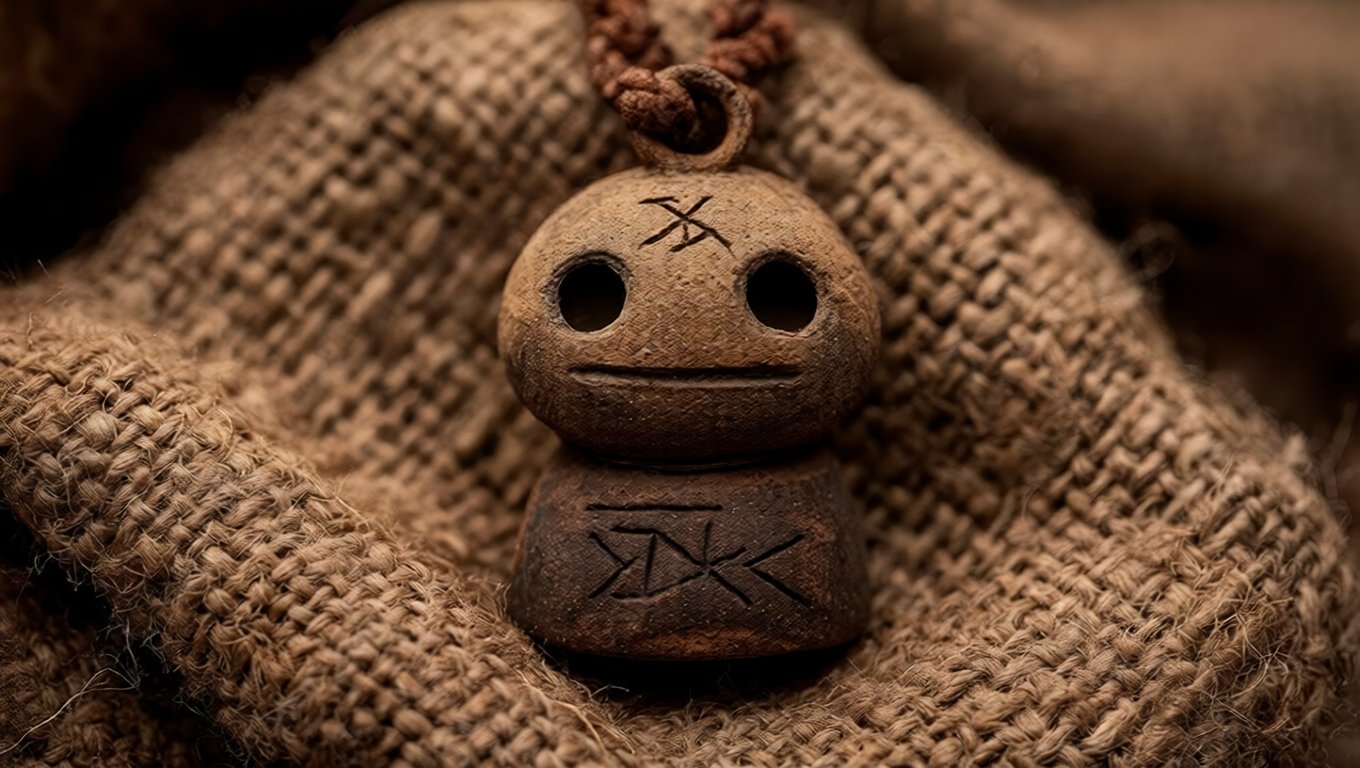 Image 1 of 1