
The Geometry of Ruin
The walls are high, the silence is deep.
“There are chambers within Our farthest bastions locked against the light of day—not for the preservation of Our Crown, but from a dread of what the stones themselves might confess if left to watch the sea alone.”

“The vast sums expended upon the subterranean works at Halifax cause Us no small anxiety; yet the necessity of holding that dark gate remains absolute.”
—Queen Victoria, extracts from private memoranda, 1872
Conspiracy. Catastrophe. Collapse.
In three chapters.
Watch hearts and minds collide in the wake of a terrible tide.
In statecraft, imperial expansion requires domination and subjugation, thinking in centuries, not election cycles, and knowing that secrets survive longer in families than in bureaucracies. That to rule is a divine right, and conquest a duty. That feelings which arise must be suppressed. The chaos of wilderness trampled by imposed order; ancient power contained by tracing sacred angles atop places.
In the science of siegecraft, every angle has its price. The mortar is fresh, the debt is ancient.
A man is only as valuable as the space he occupies in a ritual. They measure the land; the land measures their souls.
The Crown sees all, but the star’s fort hungers for more. Feed the machine.
Logline.
In 1870s Halifax, a principled Royal Engineer and a battle-scarred Royal Artillery officer, assigned to complete a coastal fortress, fall reluctantly in love as they unearth a terrifying secret entombed in its walls—one whose revelation could shatter the British Empire. ✺

Their duty is stealing moments from Them.
This is real, it cost a fortune, and something terrible is down there in the dark.
Resonant stone awakened by the love two soldiers manifest making just enough in the fortifications they embed its power with, harnessing ancient relationships—how can something sacred be bad?
A priesthood of geometry and subterranean secrets now has a map of the sanctuary.
Synopsis.
Many things to many people, but never the same to everyone, here is Halifax in the 1870s: an Imperial Fortress guarding the edge of a young country, where stone, ballistics, and ancient malice collide. Assigned to complete a strategic coastal fortification, a principled Royal Engineer lieutenant—a master of spatial logic, perfectionism, and geometric order—finds himself bound in reluctant duty with a battle-scarred Royal Artillery lieutenant, a man haunted by combat nightmares and tethered to heavy iron guns. Within the suffocating, blood-damp casemates and rotting subterranean passages of the garrison, their initial professional friction yields to an incendiary, forbidden chemistry.
They fall reluctantly in love beneath the unyielding scrutiny of Victorian military hierarchy, hyper-masculine codes, and devotion to a distant Queen. Yet, as their hidden affection deepens inside the enclosed stone ecosystem, their survey work unearths a terrifying secret long entombed within the fortress walls—a monstrous, bleeding anomaly hungry to shatter the British Empire itself. Ranging from strategic defense planning, subterranean horror, rigid discipline, ballistics calculations, psychological decay, hidden longing, Victorian hypocrisy, covert investigation, madness, explosive passion, and imperial paranoia.
Enriched with glimpses of nightmare visions and the horrific weight of their discovery, the film is not a dry historical account, but a visceral, gothic depiction of military men trapped between duty, desire, and unspeakable dread. Wet with salt spray, sweat, damp masonry, and cold iron powder, fear may well be the corrupting parasite of truth as the tone and content of the synched music matches that of the project, promising a haunting experience filtered through a terrifying amount of distortion. The prototypical proponents of discipline and destructive power, the two lieutenants’ reason to be was to complete a fortress built to withstand any enemy, only to discover that the true monstrosity was built into the stone itself, knowing buried nightmares will always consume those who dig too deep. ✺
Alternate Synopsis.
Born for duty, destined for horror, and built for war, two lieutenants of the British Empire’s scientific corps meet on the windswept shores of 1870s Halifax, a vital North Atlantic garrison defending a newly formed nation. One, a disciplined Royal Engineer trained in spatial logic, perfectionism, and silent loyalty, carries no desire for war’s empty glory; the other, a Royal Artillery lieutenant haunted by past massacres, commands the massive iron rifled muzzle-loaders that guard the harbour. Bound together by imperial decree to finish a monolithic coastal fort, they walk the proverbial line between military decorum and dangerous intimacy, speaking through unspoken glances, shared calculations, and quiet defiance inside an unyielding hierarchy.
Their age was one at the edge of quiet transformation, when steam, iron, and artillery redefined global dominance, yet human obsession remained bound by rigid Victorian morality. Great fortresses dotted strategic coasts, borders expanded, global empires projected unprecedented authority, and the military machine turned men into precise instruments of statecraft. In Halifax—Britain’s principal North American stronghold—gunners and engineers inhabited a closed stone ecosystem of damp subterranean magazines, heavy artillery, and constant readiness for an enemy that never arrived.
As well, creeping madness. Behind thick masonry walls, these men lived in claustrophobic confinement where every movement was monitored, leaving zero margin for error, forbidden affection, or psychological fractures. Yet, as the pair dig deeper into the fortress’ subterranean foundations, their tools unearth a grotesque parasite sealed deep within the masonry—an unnatural, malevolent power capable of undoing the Crown they serve. The engineers built the nightmares into the stone; the gunners lived among them. Together, their forbidden love and terrifying discovery converge, forcing both men to choose between preserving an empire or exposing a horror that could devour them whole, yielding a gruesome legacy buried beneath the fortress walls. ✺
Summary.

An original historical horror-romance set in 1870s Halifax, an Imperial Fortress town guarding the North Atlantic. A dark, visceral drama, terrifying in tone and sinister in mood, exploring the forbidden intimacy between a principled Royal Engineer lieutenant and a battle-scarred Royal Artillery lieutenant as they finish a coastal defence complex. Bound by rigid Victorian military codes and their own burning chemistry, their lives unravel when they unearth a monstrous secret entombed deep within the fortress stone—one that threatens the British Empire itself. No prior knowledge of Victorian military history or garrison architecture is necessary to appreciate the cinematic experience. ✺


For inseparable companions, devoted comrades, and particular friends who came and went, and those waiting to come…
Dedication.
Thematic Overview.
In The Geometry of Ruin, we delve into the dark erotic tension and gothic horror of a hidden love between two lieutenants, set against the oppressive stone of an Imperial Fortress. This film explores the undercurrents of secrecy, exposing the transgressive nightmare of men torn between forbidden desire and a terror that could devour an empire. ✺
Source: British Army, Corps of Royal Engineers, “Horses, sleighs and carriages [Two Royal Engineers officers sleigh-riding together with their pet dogs in Point Pleasant Park at Halifax, Nova Scotia],” between 1870 and 1880, wet-collodion glass plate photograph, Harry Piers (1870–1940; curator of the Provincial Museum, librarian of the Provincial Science Library, and Deputy Keeper of the Public Records of Nova Scotia, 1899–1931; author of The Evolution of the Halifax Fortress 1749–1928, 1947; archivist responsible for the recovery and preservation of Royal Engineers records abandoned at Halifax by the Corps on their departure in 1906) curatorial note: “Horses, Sleighs and Carriages: Horse, dark-coloured, and Single-seated Sleigh or Cutter with dickey-seat behind for groom, with Royal Engineer Officer (Captain or Major) in winter uniform, and Groom in winter livery with fur cape, in dickey-seat; also fox terrier and spaniel; on road with spruce trees, doubtless in Point Pleasant Park; between 1870 and 1880. Harness with bell on saddle[,]” reference Royal Engineers Nova Scotia Archives number 7006 (Piers), Nova Scotia Archives, Halifax.
PARTICULAR FRIENDSHIP

“‘Disgraceful Conduct’ implies confirmed vice, and all unnatural propensities, indecent assaults, […]and all cases of confirmed malingering where the conduct is proved to be so irreclaimably vicious, as to render the offender unworthy to remain in the army.”

Source: British Army, Corps of Royal Engineers, “Horses, sleighs and carriages [Two Royal Engineers officers sleigh-riding together with their pet dogs in Point Pleasant Park at Halifax, Nova Scotia] (detail),” between 1870 and 1880, wet-collodion glass plate photograph, Harry Piers (1870–1940; curator of the Provincial Museum, librarian of the Provincial Science Library, and Deputy Keeper of the Public Records of Nova Scotia, 1899–1931; author of The Evolution of the Halifax Fortress 1749–1928, 1947; archivist responsible for the recovery and preservation of Royal Engineers records abandoned at Halifax by the Corps on their departure in 1906) curatorial note: “Horses, Sleighs and Carriages: Horse, dark-coloured, and Single-seated Sleigh or Cutter with dickey-seat behind for groom, with Royal Engineer Officer (Captain or Major) in winter uniform, and Groom in winter livery with fur cape, in dickey-seat; also fox terrier and spaniel; on road with spruce trees, doubtless in Point Pleasant Park; between 1870 and 1880. Harness with bell on saddle[,]” reference Royal Engineers Nova Scotia Archives number 7006 (Piers), Nova Scotia Archives, Halifax.
AMITIÉ PARTICULIÈRE

One hundred and twenty years of silence. Only in the dark, suffocating depths of an Imperial Fortress does history conceal its most terrifying secret. Now, forbidden passion, imperial decay, and horrific nightmare erupt onto the screen. The definitive gothic horror romance. ✺
For over a century, the granite fortresses of 1870s Halifax have guarded their secrets, yet never before has the gothic horror of its imperial garrison taken centre stage on screen. Now, the story of a Royal Engineer lieutenant and a battle-scarred Royal Artillery lieutenant unfolds in all its complex intensity—the forbidden love, claustrophobic madness, and terrifying secret that threaten the British Empire. ✺
The definitive gothic military horror of Victorian Canada.
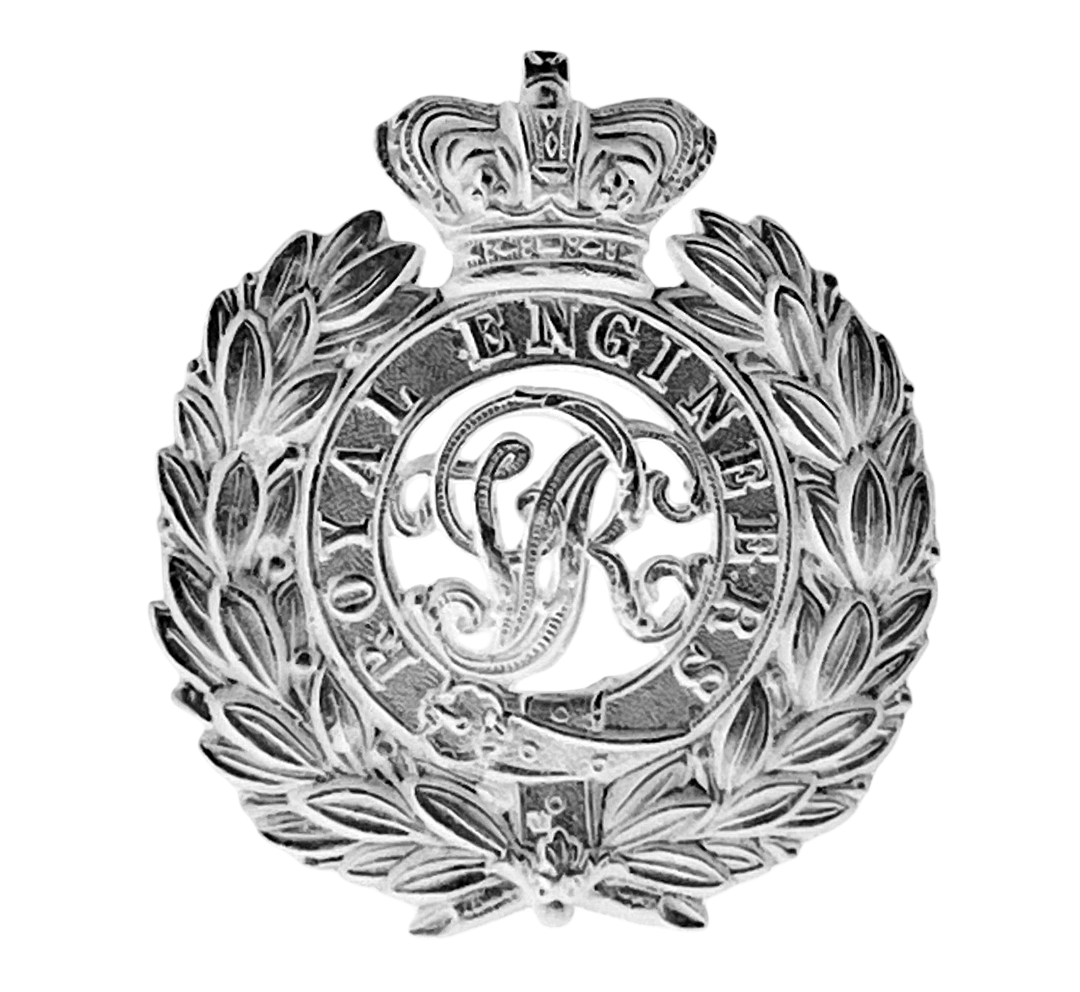
QUO FAS ET GLORIA DUCUNT.
Where sacred duty
and glory lead.
Beyond the reach of god and gun, silent love in a landscape that bleeds loud shadows, with the mathematical precision of heartbreak.
The map is red. The soil is dry. Empire demands a foundation of more than just stone.
The walls are high, the silence is deep. Erect. Explode. Erase.
UBIQUE.
EVERYWHERE.
Excerpt (First Draft).
FADE IN:
EXT. HALIFAX HARBOUR - GEORGES ISLAND – NIGHT (1875)
A cold Atlantic gale slices through driving rain, wrapping the harbour in a suffocating shroud of black.
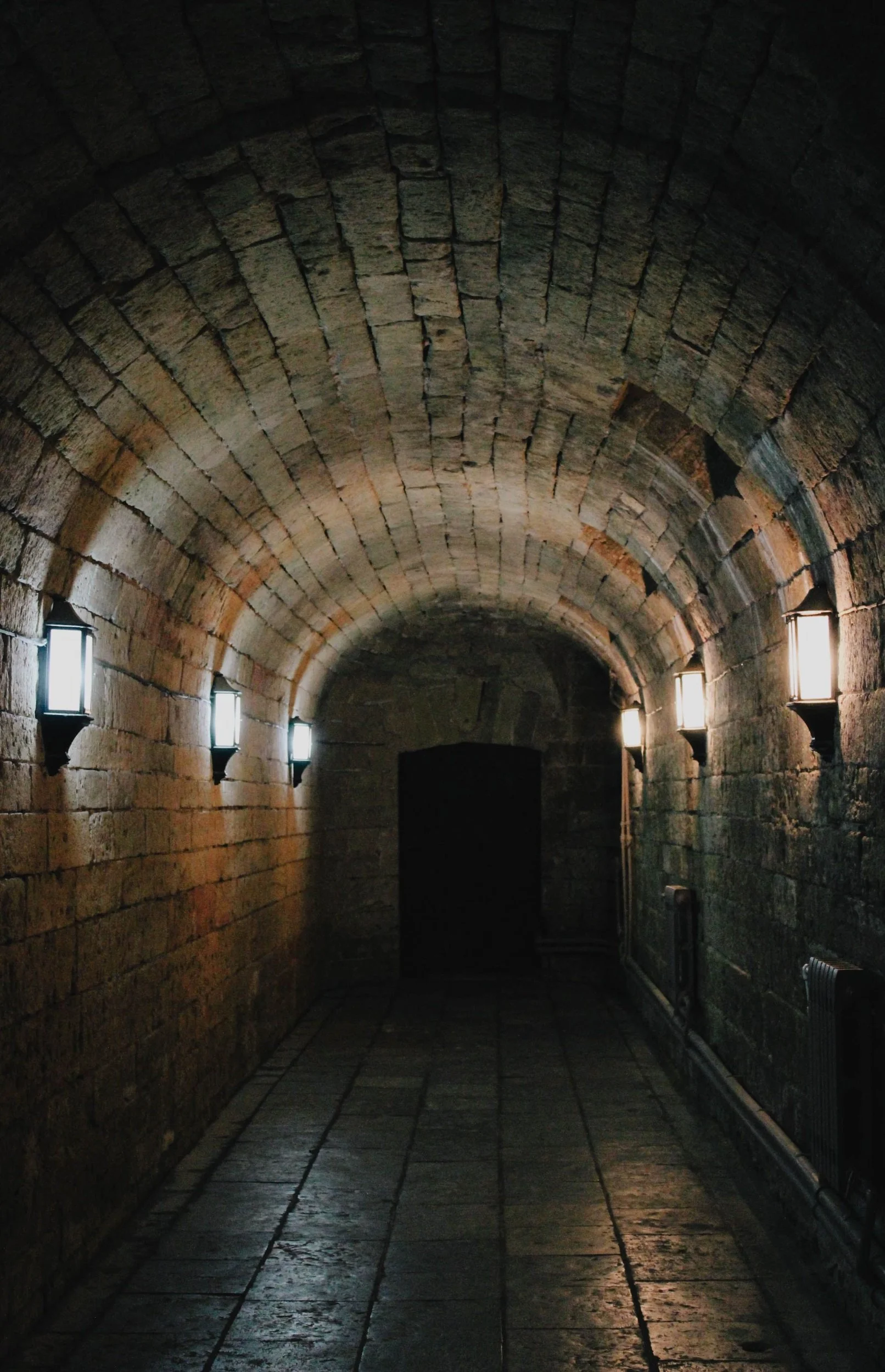
Rising from the jagged shale like a monolith of teeth, the unfinished masonry of a coastal fortress looms.
Massive granite blocks sweat under the downpour, heavy with the oppressive weight of the British Empire.
Inside the cavernous, half-built ramparts, lanterns throw jagged, bleeding light against slick stone walls.
CAPTAIN ARTHUR VANE (30s), a sharp, fastidious Royal Engineer with ink-stained cuffs and a posture forged by rigid military duty, marches through the damp corridor.
His BOOTS ECHO sharply against the FLAGSTONES, carrying blueprints clutched tight to his chest like armour.
He stops abruptly.
Blocking the narrow tunnel is MAJOR JULIAN CROSS (30s). Battle-scarred, broad-shouldered, and soaked to the skin, the Royal Artillery officer stands motionless, staring intently at a freshly laid section of the inner keep wall.
A bottle of cheap rum sits half-empty on a wooden crate beside him.
VANE
You’re drinking on duty, Major. And obstructing the primary intake route for tomorrow’s stone delivery.
Cross doesn’t look at him. His breath plumes heavily in the freezing air, smelling faintly of salt and cheap spirits.
CROSS
Look at the mortar, Captain. Just smell it.
Vane steps closer, a scowl tightening his jaw. He hesitates, catching the subtle, unwanted electric tension that always crackles between them in the dark.
VANE
It’s lime, sand, and seawater. Standard specification for the Citadel. Move aside.
CROSS
It isn’t. It’s ferrous. And it’s warm. Touch it.
Reluctantly, Vane extends a gloved hand. He presses his palm against the damp grey stone.
It VIBRATES. A faint, sickening RHYTHMIC THRUM—like a PULSE trapped beneath tons of dead weight.
Beneath the mortar, deep within the cavity of the wall, something wet and heavy shifts. A WET SCRAPE of BONE against GRANITE.
The low, AGONIZING SOUND of a HUMAN VOICE trying to SCREAM through packed earth.
Vane jerks his hand back, staring at Cross in sudden, cold horror.
Cross finally turns his scarred face to look at him, his eyes dead in the lantern light.
CROSS
They didn’t seal the foundation against the sea, Arthur. They sealed something in.
CUT TO:


Excerpt (Final Draft).
Status Indicator.
IN PRE-PRODUCTION

Taglines.
The walls are high, the silence is deep.
Erect. Explode. Erase.
In the science of siegecraft, every angle has its price.
The mortar is fresh, the debt is ancient.
A man is only as valuable as the space he occupies in a ritual.
They measure the land; the land measures their souls.
The Crown sees all, but the star’s fort hungers for more.
Feed the machine.
Beyond the reach of god and gun.
Silent love in a landscape that bleeds loud shadows.
The map is red. The soil is dry.
Empire demands a foundation of more than just stone.
Their duty is stealing moments from Them.
Resonant stone awakened by the love two soldiers manifest.
A priesthood of secrecy now has a map of the sanctuary.
Of smoke and soil.
Scarlet sacrifice to feed a geometric machine.
Dying for a shed tear, living for a single word.
Calculate the distance, ignore the scream.
Victoria has a secret.
Development Resources.
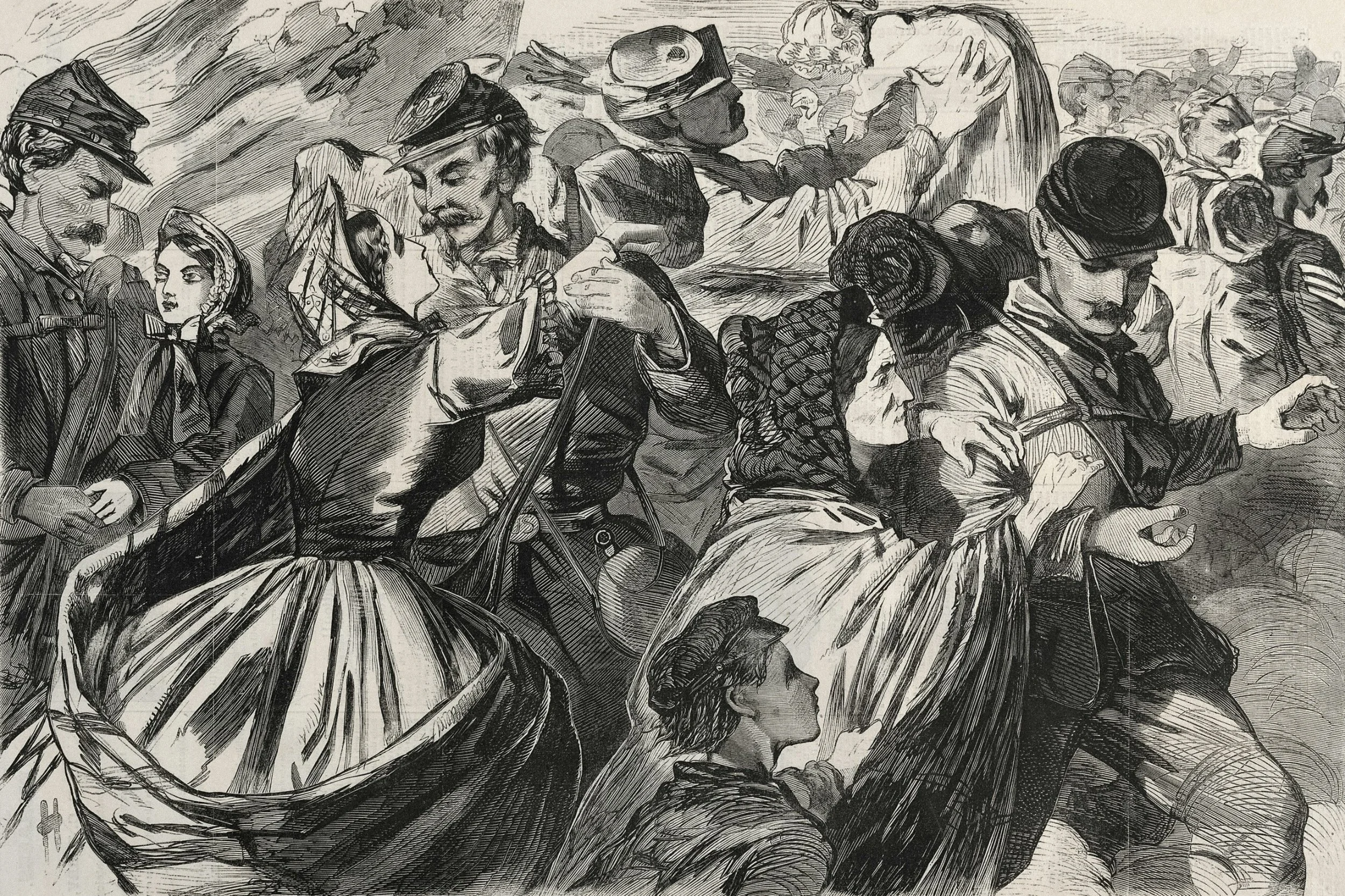
The Setup: Structured as a non-linear puzzle of memory and military logs in 1870s Halifax, a principled Royal Engineer and a traumatized Royal Artillery officer work to construct an impenetrable coastal fortress. Underneath the rigid protocols of the Victorian military machine, the two men carry a perilous secret: their forbidden, ravenous love for one another.
The Catch: As construction deepens into the stone, layers of institutional secrecy begin to unspool. The fort’s design isn’t merely defensive; it is a meticulously calibrated mathematical machine aligned with high-level British imperial strategy, masking a far more insidious agenda than simple border control.
Scenario & Rundown.
Horror ✺ Romance ✺ Mystery
Comps:
Bram Stoker’s Dracula (1992, writs. Bram Stoker and James V. Hart, dir. Francis Ford Coppola), From Hell (2001, writs. Alan Moore, Eddie Campbell, Terry Hayes, and Rafael Yglesias, dirs. The Hughes Brothers), Brokeback Mountain (2005, writs. Annie Proulx, Larry McMurtry, and Diana Ossana, dir. Ang Lee), The Woman in Black (2012, writs. Susan Hill and Jane Goldman, dir. James Watkins), Crimson Peak (2015, writs. Guillermo del Toro and Matthew Robbins, dir. Guillermo del Toro), Nosferatu (2024, writs. Robert Eggers, Henrik Galeen, and Bram Stoker, dir. Robert Eggers), and La bola negra (2026, writs. Javier Calvo, Javier Ambrossi, Alberto Conejero, and Federico García Lorca, dirs. Javier Ambrossi and Javier Calvo). ✺
The Climax: Burrowing into the fortress’ lowermost subterranean chambers, the officers peel back the final layer of imperial classification only to discover a terrifying, non-human, cosmic horror trapped in the earth—an entity the Empire intends to harness and weaponize to ensure perpetual global dominance.
The Fate: Bound together by their love and burdened by the unbearable knowledge of what lies beneath the masonry, the two officers must decide whether to protect the terrifying cosmic secret to preserve the Empire, or destroy the geometry and risk total madness.
Cinematic Reliquary.
“[Officers of] the Royal Engineers [during the Victorian period were] intelligent [men] with a keen eye for detail—devoted to [their] work; meticulous, and [perfectionists]. [They had] no interest in the passing glories of war; but rather a compelling urge to do not only what was needed—but what was best. [I]rked by negligence and bad planning, [they were] loyally silent on the manifest failings of [their] superiors. The training at [Royal Military Academy,] Woolwich was designed to produce skilled technicians rather than gallant leaders of men. Dashing cavaliers[…]were not welcome in the Royal Engineers; and they in turn were generally uninterested in the steady, unglamorous life of the [enlisted soldier].”
Source: Royal Sign-Manual (personal signature) of Her Majesty Victoria, by the Grace of God, of the United Kingdom of Great Britain and Ireland Queen, Defender of the Faith, Empress of India, reading “Victoria RI” for «Victoria Regina Imperatrix» in Latin, meaning “Victoria Queen Empress” in English, extracted from an autograph letter written by the Queen to Princess Louise Sophie of Schleswig-Holstein-Sonderburg-Augustenburg (1866–1952), wife of Prince Friedrich Leopold of Prussia, written in German and dated 16 June 1890 at Balmoral Castle. From the collection of Andreas Wiemer Historical Autographs, Allendorf, Germany.

“Whether ‘inseparable companions,’ ‘devoted comrades,’ or ‘particular friends,’ walking the old desire-lines of the unlit perimeter, that subtle, shared language of the gaze is something an outsider—or a conventional historian reading an archival catalogue—would almost certainly miss. But to a queer eye, particularly one attuned to the precise social codes of the late Victorian era, those micro-expressions register instantly. In 1870, when open expression of same-sex love carried catastrophic legal, social, and military risks, intimacy was forced into the margins, the quiet corners of the park, and the subtle, unspoken syntax of a glance.”
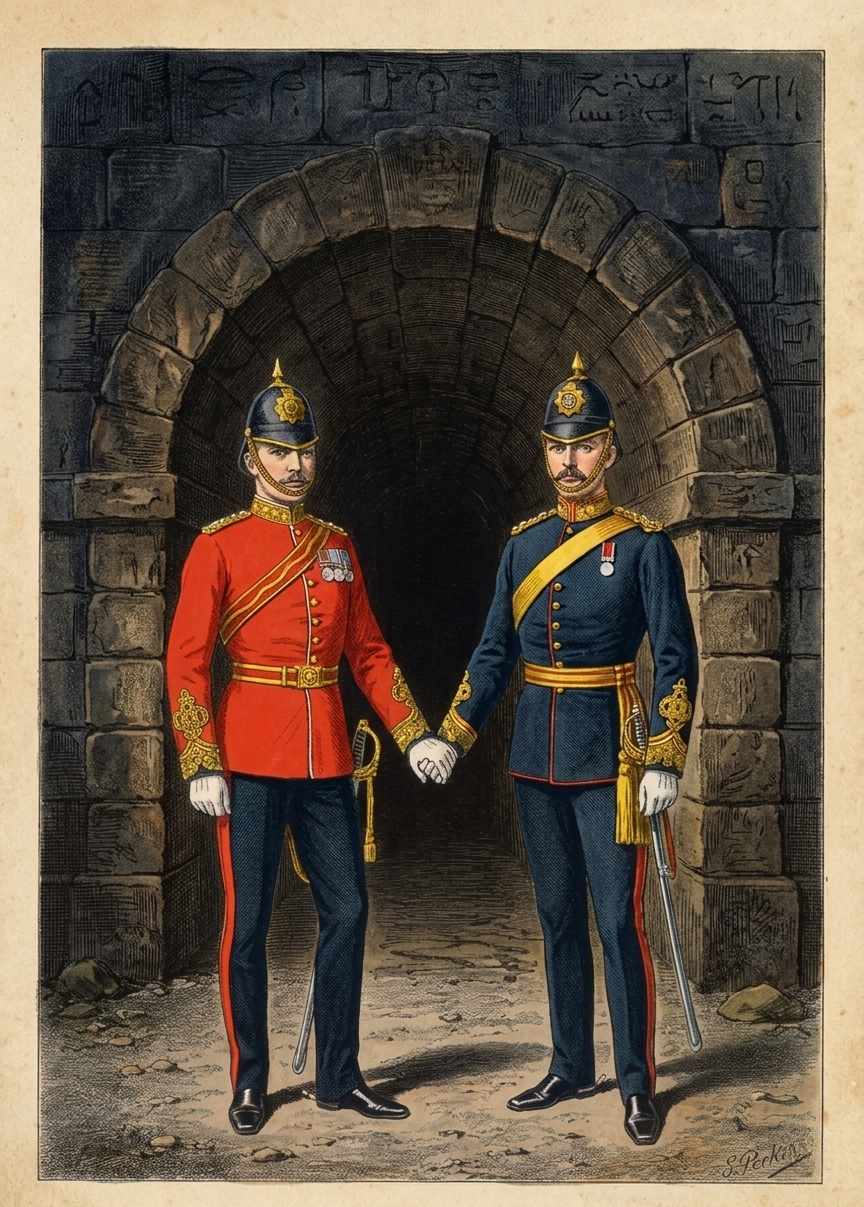
Source: Richard Simkin (1850–1926), “England: Officers, Royal Artillery and Royal Engineers,” part of “Great Britain, 1861–88,” hand-coloured lithograph illustration, clipped from an unidentified printed source published at Amsterdam in 1910, hand-coloured by collector Hendrik Jacobus Vinkhuijzen (1843–1910), The Vinkhuijzen Collection of Military Uniforms: Great Britain: Great Britain, 1861–88, vol. 327, page 59, General Research Division, Shelf locator: 8-MMEH (Vinkhuijzen collection of military uniforms), vol. 327, The New York Public Library, New York.
Witness Victoria rule imperiously, Her Majesty’s men dominate desire secretly, and cosmic terror surface mercilessly. ✺
Horror ✺ Romance ✺ Mystery
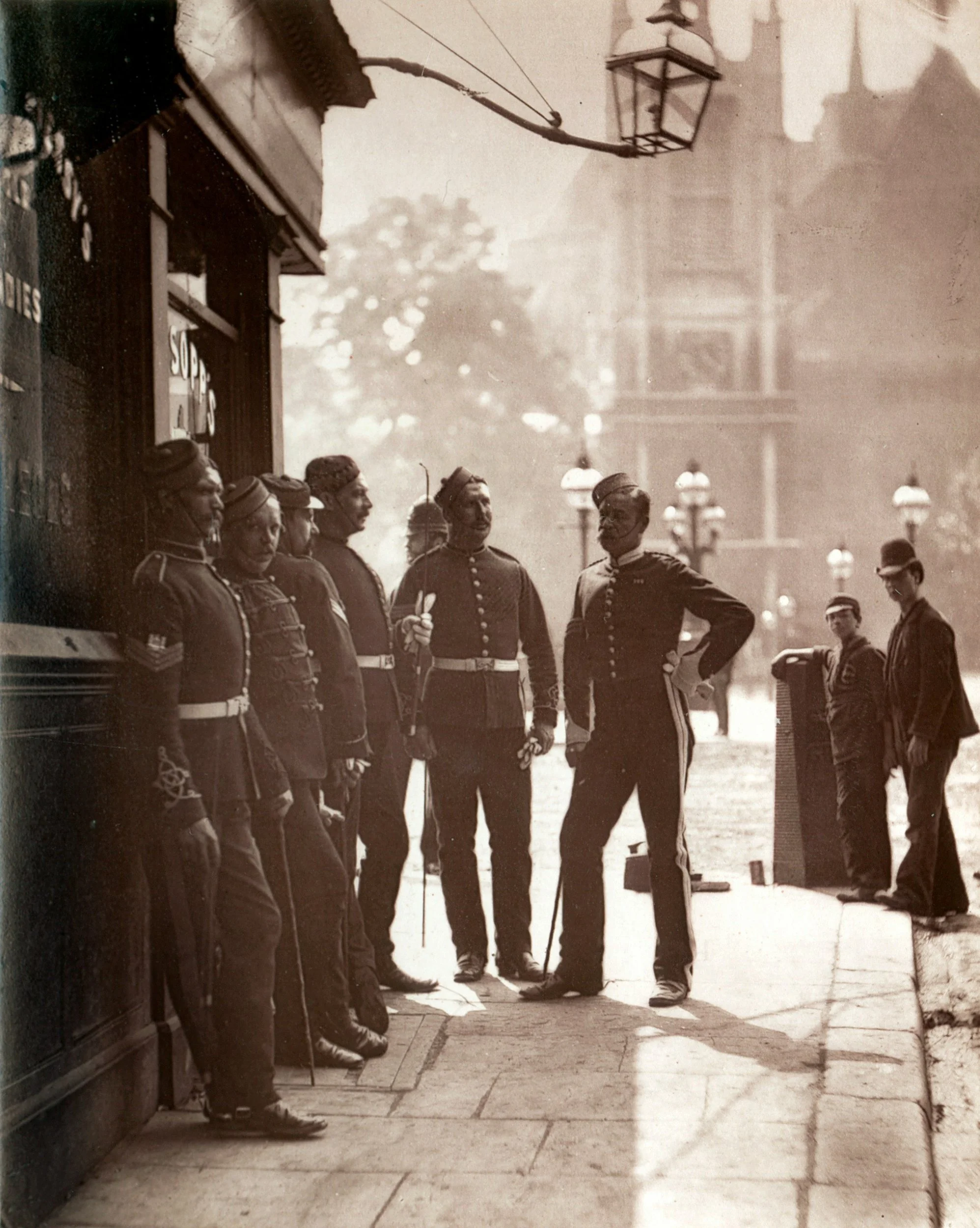
Lieutenant Arthur Frederick Augustus Montague, Corps of Royal Engineers & Lieutenant George Clervaux Berresford, Royal Regiment of Artillery
PRESENTING THE LIEUTENANTS
Through the Queer Eye
These men, whose regimented regulated lives are the suffocating thrust at the derelict core of the film’s pulsing dread, are two junior officers who came up—but not out—together at the Royal Military Academy, Woolwich before dispatched on campaigns across the Empire.
Known as ‘The Shop,’ competitive rigorous academics rooted in eight subjects—Classics, mathematics, English, French or another modern language, history with geography, natural sciences, experimental sciences, and drawing—led them to a career from which they are now not certain if they can ever escape.
With upper-middle class origins—and belonging to the British Army’s elite ‘scientific corps,’ often criticized as privileged ‘armchair warriors’—Royal Engineer Lieutenant Arthur Frederick Augustus Montague and Royal Artillery Lieutenant George Clervaux Berresford are pitted together on a project of unprecedented scale which will force them to excavate duty and desire, knowing buried nightmares will always consume those who dig too deep.
✺
“It’s lime, sand, and seawater. Standard specification for the Citadel. Move aside.”¹
“They didn’t seal the foundation against the sea, Arthur. They sealed something in.”²
✺
Notate Bene:
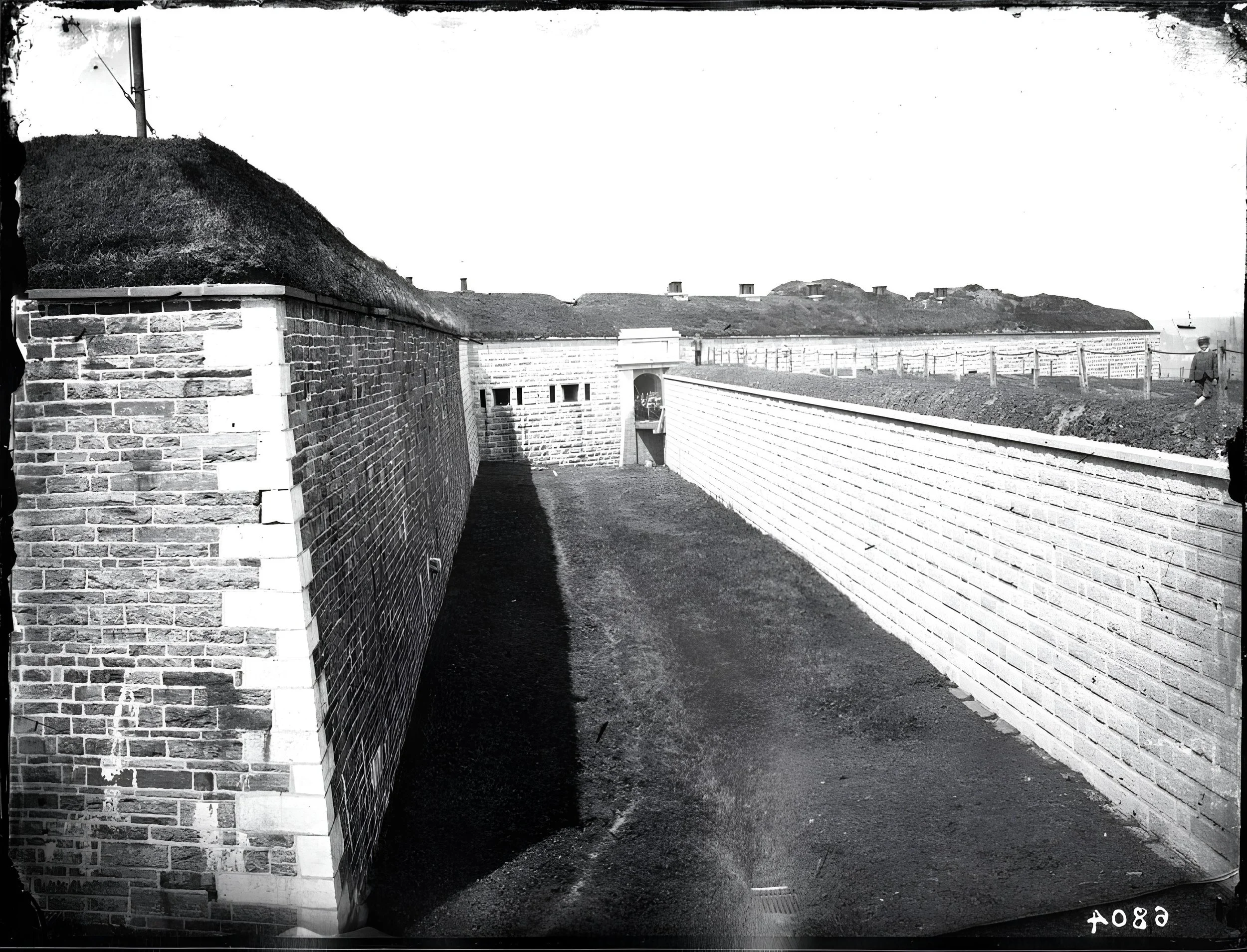
☞ The film’s teaser posters, designed by its screenwriter and executive producer Jono Borden, feature digital collages made from period illustrations depicting actual Royal Engineers and Royal Artillery officers of the 1870s, as they would have looked at Halifax during that time when the story takes place. Taken from The Vinkhuijzen Collection of Military Uniforms (Great Britain, 1861–88) at the New York Public Library, scanned chromolithographs were manipulated to enhance colour saturation, cropped, and arranged to make the soldiers subversively hold hands, like paper dolls. The uniforms are those of lieutenants. Some versions of the poster feature actual photographs taken by the Royal Engineers of Halifax’s Citadel (Fort George) and Town Clock in 1870. ¶ Not wanting to denigrate the reputations or legacies of anybody who actually served at Halifax in the 1870s, or their families’ living descendants, the film’s screenwriter Jono Borden, committed to period authenticity in crafting his script, constructed the protagonists’ names from those of the British Army’s real Royal Engineers and Royal Artillery officers who were stationed in the city during that decade, by mixing and matching them. Consulting the official annual and quarterly Army Lists, cross-referenced with the semi-official Hart’s List and the gossipy local Belcher’s Almanack, Borden created two main characters whose mythic identities blend the forgotten memories of the men they represent: Lieutenant Arthur Frederick Augustus Montague of the RE and Lieutenant George Clervaux Berresford of the RA, together represented by the lithograph collage illustrating the teaser posters. ¶ The names of the film’s two main characters, Royal Engineer Lieutenant Arthur Frederick Augustus Montague, and Royal Artillery Lieutenant George Clervaux Berresford, contain hidden references in their initials (AFAM and GCB) to Freemasonry (Ancient Free and Accepted Masons, the branch of Freemasons present in Nova Scotia since the early 18th Century) and the Order of the Bath (an early 18th Century military merit, rank Knight Grand Cross).
¹Dialogue of Lieutenant Arthur Frederick Augustus Montague, of the Corps of Royal Engineers, to Lieutenant George Clervaux Berresford, of the Royal Regiment of Artillery, discussing anomalies at Fort Charlotte on Georges Island in Halifax Harbour, at night during a storm in 1875, the two protagonists of Jono Borden’s screenplay for his film The Geometry of Ruin, taken from the opening scene on page 2. The screenplay was published at Halifax by Jono Borden Publishers, Inc. in 2026.
²Dialogue of Lieutenant George Clervaux Berresford, of the Royal Regiment of Artillery, to Lieutenant Arthur Frederick Augustus Montague, of the Corps of Royal Engineers, discussing anomalies at Fort Charlotte on Georges Island in Halifax Harbour, at night during a storm in 1875, the two protagonists of Jono Borden’s screenplay for his film The Geometry of Ruin, taken from the opening scene on page 2. The screenplay was published at Halifax by Jono Borden Publishers, Inc. in 2026.
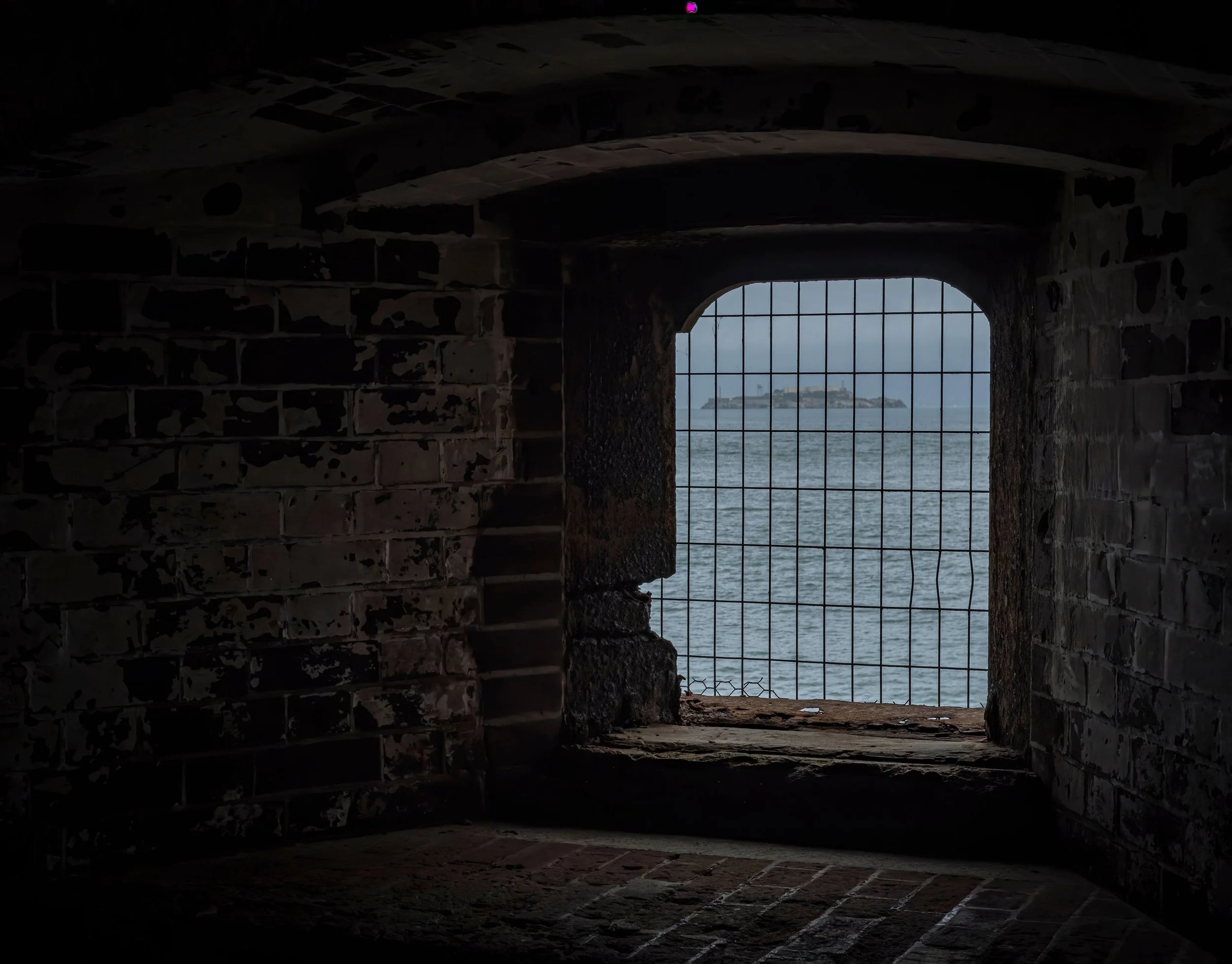
Three-Act Structure.
Chapter I. Vertical Logic
Watch as a mystery is filled in from the bottom line up.
In drafting, vertical logic requires designing plans upward from an established baseline or foundation, from the deepest subterranean footing up to the fort’s parapet. Here, the friction between the officers and the methodical, bottom-up unearthing of what blueprints fail to reveal—anomalies hidden within the lowest casemates—mirror each man’s own soul’s well of secrets their closeness grows to surface.
Chapter II. Angle of Repose
Watch as friction fails against the weight of what is held back.
In engineering, the angle of repose is the maximum slope at which a granular material, like soil or rubble, behind a retaining wall remains stable without sliding. In deception, it is the extent to which details can support a lie until the truth comes out. This rising action builds until the fortress, the Empire, and the officers’ hearts near destruction.
Chapter III. Point of Convergence
Watch as every parallel line meets at the site of impact.
In perspective drawing and descriptive geometry, a point of convergence or vanishing point is where lines receding into the distance appear to intersect. This marks the exact nexus in the plot where the officers’ forbidden bond, their military duty, and the catastrophic subterranean truth collide—forcing everything that ran in parallel to smash together at a single, unavoidable focal point.
Conspiracy. Catastrophe. Collapse.
In three chapters.
Watch hearts and minds collide in the wake of a terrible tide.
In statecraft, imperial expansion requires domination and subjugation, thinking in centuries, not election cycles, and knowing that secrets survive longer in families than in bureaucracies. That to rule is a divine right, and conquest a duty. That feelings which arise must be suppressed. The chaos of wilderness trampled by imposed order; ancient power contained by tracing sacred angles atop places.


Lineage, Tone, and Atmosphere.
What even led to this?
The Artistic DNA: A dense, atmosphere-driven Victorian Gothic mystery where physical architecture mirrors psychological repressiveness and forbidden desire.
✺
Classic Imperial Gothic & Dread: Bram Stoker’s Dracula, Crimson Peak, The Woman in Black, and Eggers’ Nosferatu signal a lush, atmospheric nightmare filled with subterranean shadows, rotting fortresses, and ancient entombed secrets.
✺
Historical Investigation & Decay: From Hell brings the conspiracy, ballistics/engineering calculation, and bleak Victorian dread.
✺
Forbidden Romance Under Strict Hierarchies: Brokeback Mountain and La bola negra highlight the core narrative heart—the tender, dangerous, and tragic intimacy between two military men constrained by rigid institutional decorum and societal taboo.
✺

Historical Timeline.
Fame, Desire, and the Fall
Seven Defining Moments in Byron’s Myth
Byron’s Life at a Glance
Explore the key moments that defined Lord Byron’s real-life journey, from his meteoric rise to fame to his tumultuous love affairs and eventual exile. This timeline offers insight into the historical events that shaped the man behind the legend. Note that this is not a representation of the film’s nonlinear narrative, which explores Byron’s life and myth through fragmented, artistic expression.
I. Birth of a Scandal: The Enigmatic Origins (1788)
Byron’s birth marked the start of a life shadowed by scandal—his father's debts, his mother’s fierce temper, and the deformity that would haunt him. The seeds of isolation were sown early, setting the stage for a poet whose greatness would never escape the weight of his lineage.
II. Cambridge: The Blossoming of Desire and Rebellion (1805–1808)
At Cambridge, Byron’s intellectual rebellion and secret passions began to take form. It was here that his first forbidden loves—particularly toward fellow male students—ignited the fire that would both fuel his poetry and haunt his soul.
III. The Early Celebrity: The Rise of One So “Mad, Bad, and Dangerous to Know” (1812–1816)
Byron became a literary icon overnight with Childe Harold, but his fame soon became a gilded cage. Scandal erupted with his marriage to the intellectual Annabella, his affair with his half-sister Augusta, and the births of legitimate Ada and incestuous Medora. His growing reputation for forbidden love, including rumors of male affairs, led to his forced exile. In the apocalyptic summer of 1816, Byron’s Fragment of a Novel birthed the first English vampire story, forever intertwining his legacy with the darkness of gothic myth.
IV. The Tumultuous Love Affair with Teresa Guiccioli: A Darker Romance (1819–1823)
In exile, Byron’s affair with Teresa Guiccioli offered fleeting solace, but the darkness of his soul remained. Their love, intense and turbulent, mirrored his deepening isolation and unspoken desires for men. In Italy, Byron was not just a poet—he was a man broken by his own contradictions, caught between love and exile.
V. The Greek Revolution: A Hero’s Last Stand (1823–1824)
Byron’s final act was a heroic, yet tragic, plunge into the Greek War of Independence. Leaving behind the comforts of fame, he sought redemption in battle—but his body, worn by fever and exhaustion, ultimately failed him. Byron’s death in Missolonghi sealed his mythic status, both a poet and a warrior lost to history.
VI. The Secret of His Heart: Forbidden Desires in the Shadows (Various Periods)
Byron’s heart was forever torn between his public persona and his private, forbidden loves. His relationships with men—intense, passionate, and unspoken—ran like a dark thread throughout his life, shaping both his work and his inner torment.
VII. The Final Rejection: Death as Liberation (1824)
Byron’s death at 36 marked the ultimate rebellion—an escape from a world that never truly understood him. In death, he became more than a poet—he became an immortal icon, free from the judgments of society, his desires forever obscured by myth.
English Bards and Scotch Reviewers
(London: James Cawthorn, 1809)
A savage satire, lashing critics, society’s hypocrisy, and Byron’s own restless genius.
Childe Harold’s Pilgrimage
(London: John Murray, 1812–1818)
A melancholic journey through ruin, self-doubt, and the intoxicating allure of solitude.
The Corsair
(London: John Murray, 1814)
A pirate’s dark romance, filled with passion, betrayal, vengeance, and doomed heroism.
The Prisoner of Chillon
(London: John Murray, 1816)
Tragic imprisonment, soul-bound to stone, reflecting eternal defiance against tyrannical forces.
Manfred
(London: John Murray, 1817)
A brooding, tormented soul seeks redemption through dark, mystical forces and guilt.
A Fragment of a Novel
(London: John Murray, 1819)
The first vampire story in English—an exploration of seduction, decay, and immortality.
Don Juan
(London: John Murray, 1819–1822; John Hunt, 1822–1824)
Subversion of desire, exploring love’s fluidity, gender, and the chaos of passion.

Founded in 1768, John Murray Publishers is the original publisher of Lord Byron, Jane Austen, and Charles Darwin’s (r)evolutionary The Origin of Species. Today, John Murray continues its legacy of quality and accessibility, publishing works in literary fiction, history, current affairs, business, and science. As a subsidiary of Hachette Livre, a division of Lagardère Publishing, John Murray is ultimately owned by Lagardère Group.
✺
Not only was John Murray II (1778–1843), son of the firm’s founder, Byron’s literary conduit—bridging the gap between the poet’s world and the public—but also a figure deeply woven into Byron’s personal saga, serving as confidant and counselor. It was in Murray’s offices at 50 Albemarle Street, London—where the firm would remain for 191 years—after Byron’s death, that the long-suffering editor made the fateful decision to destroy both volumes of Byron’s uncensored memoirs, which had been entrusted to him. In an attempt to protect Byron’s reputation, Murray consigned these controversial writings to the flames. This act remains one of the greatest losses in literary history, as we will never know what Byron truly wished to reveal about himself. Murray had moved the firm to this address in 1812, following the success of Byron’s Childe Harold’s Pilgrimage, forever linking it with the poet’s legacy.
✺
In 2002, the world’s oldest independent publisher at the time, John Murray was sold to Hachette. The John Murray Archive & Publishers’ Collections, including its voluminous holdings of Byron’s manuscripts, fan mail, and memorabilia, were acquired by the National Library of Scotland in 2006, where they can now be accessed by researchers.
Note on Artistic Interpretation
While this timeline highlights key moments of Lord Byron’s life, the film takes an artistic, nonlinear approach to tell his story. The narrative will weave between moments of his public persona and private desires, exploring his complexities as a man caught between fame, romance, and the horror of his own legend.
Escape the horror of your own myth.

His Very Self and Voice.
Whispers in the Veins
Saying his name, speaking his words, gives him eternal life.
Bow Down: Enter the Communion of His Wounded Voice
Entering Byron’s mind is like wandering the chambers of a ruined abbey, where the Self stands revered, yet fraught with eternal conflict and contradiction. Tour some of the bard’s most biting barbs.
✺ Tortured Genius
The artist’s internal strife and suffering.
“The great object of life is Sensation—to feel that we exist, even though in pain. It is this ‘craving void’ which drives us[.]”
✺ Wicked Wisdom
Byron’s biting intellect and social critique.
“But words are things, and a small drop of ink,
Falling like dew, upon a thought, produces
That which makes thousands, perhaps millions, think[.]”
✺ Rebellious Reverence
His respect for greatness, but with an edge.
“In worship of an echo; in the crowd
They could not deem me one of such; I stood
Among them, but not of them; in a shroud
Of thoughts which were not their thoughts[.]”
✺ Ego Unbound
The self-promotion and grandiosity that fueled his myth.
“With false ambition what had I to do?
Little with love, and least of all with fame;
And yet they came unsought and with me grew,
And made me all which they can make—a Name.”
✺ Romantic Despair
The melancholy and heartache of Byron’s love life.
“Rose late—dull and drooping—the weather dripping and dense. […]Hear the carriage—order pistols and great coat, as usual—necessary articles. […]Clock strikes—going out to make love. Somewhat perilous, but not disagreeable.”
✺ Occult Echoes
His fascination with the supernatural and the mysterious.
“I sometimes think that Man may be the relic of some higher material being wrecked in a former world—and degenerated in the hardships and struggle through Chaos and Conformity—or something like it[.]”
✺ Cynical Clarity
His brutal, disillusioned perspective on the world.
“All the world are to be at the [party] to-night, and I am not sorry to escape any part of it. I only go out to get me a fresh appetite for being alone.”
Read, and summon Byron to his reawakening.
Participate in his myth-making.
✺
Notate Bene:
¹Lord Byron, in a letter to Annabella Milbanke, written at and sent from London on Monday, September 6th, 1813, printed in Leslie A. Marchand’s Byron’s Letters and Journals, Volume III: ‘Alas! the love of women,’ 1813–1814, published at Cambridge, Massachusetts by Harvard University Press in 1974; page 109.
²Lord Byron, Don Juan, Canto III, Stanza 88, Lines 1–3 (Lines 793–795 overall of the Canto), in The Major Works: Edited with an Introduction and Notes by Jerome J. McGann, published at New York by Oxford University Press in 2000; page 513.
³Lord Byron, Childe Harold’s Pilgrimage, Canto III, Stanza 113, Lines 5–8 (Lines 1053–1056 overall of the Canto), in The Major Works: Edited with an Introduction and Notes by Jerome J. McGann, published at New York by Oxford University Press in 2000; page 137.
⁴Lord Byron, “Epistle to Augusta,” Stanza 13, Lines 1–4 (Lines 97–100 overall), in “Poetry” of “Part Three: Exile on Lake Geneva (April–October 1816)” in “Byron’s Poetry and Prose” of Byron’s Poetry and Prose: Authoritative Texts [and] Criticism: Selected and Edited by Alice Levine[,] Hofstra University, published at New York by W. W. Norton & Company in 2010; page 244.
⁵Lord Byron, in his journal, written at Ravenna on Friday, January 5th, 1821, printed in Leslie A. Marchand’s Byron’s Letters and Journals, Volume VIII: ‘Born for opposition,’ 1821, published at Cambridge, Massachusetts by Harvard University Press in 1978; page 13.
⁶Lord Byron, “[Detached Thought] 101,” in My Dictionary and Detached Thoughts, a manuscript commonplace book he composed and compiled from October 15th, 1821 through May 18th, 1822, preserved as Accession 12604 / 4057, folio 140, in the collection of the National Library of Scotland at Edinburgh, printed in Leslie A. Marchand’s Byron’s Letters and Journals, Volume IX: ‘In the wind’s eye,’ 1821–1822, published at Cambridge, Massachusetts by Harvard University Press in 1979; pages 46–47.
⁷Lord Byron, in his journal, from an entry dated Sunday, December 12th, 1813, printed in Leslie A. Marchand’s Byron’s Letters and Journals, Volume III: ‘Alas! the love of women,’ 1813–1814, published at Cambridge, Massachusetts by Harvard University Press in 1974; page 238.
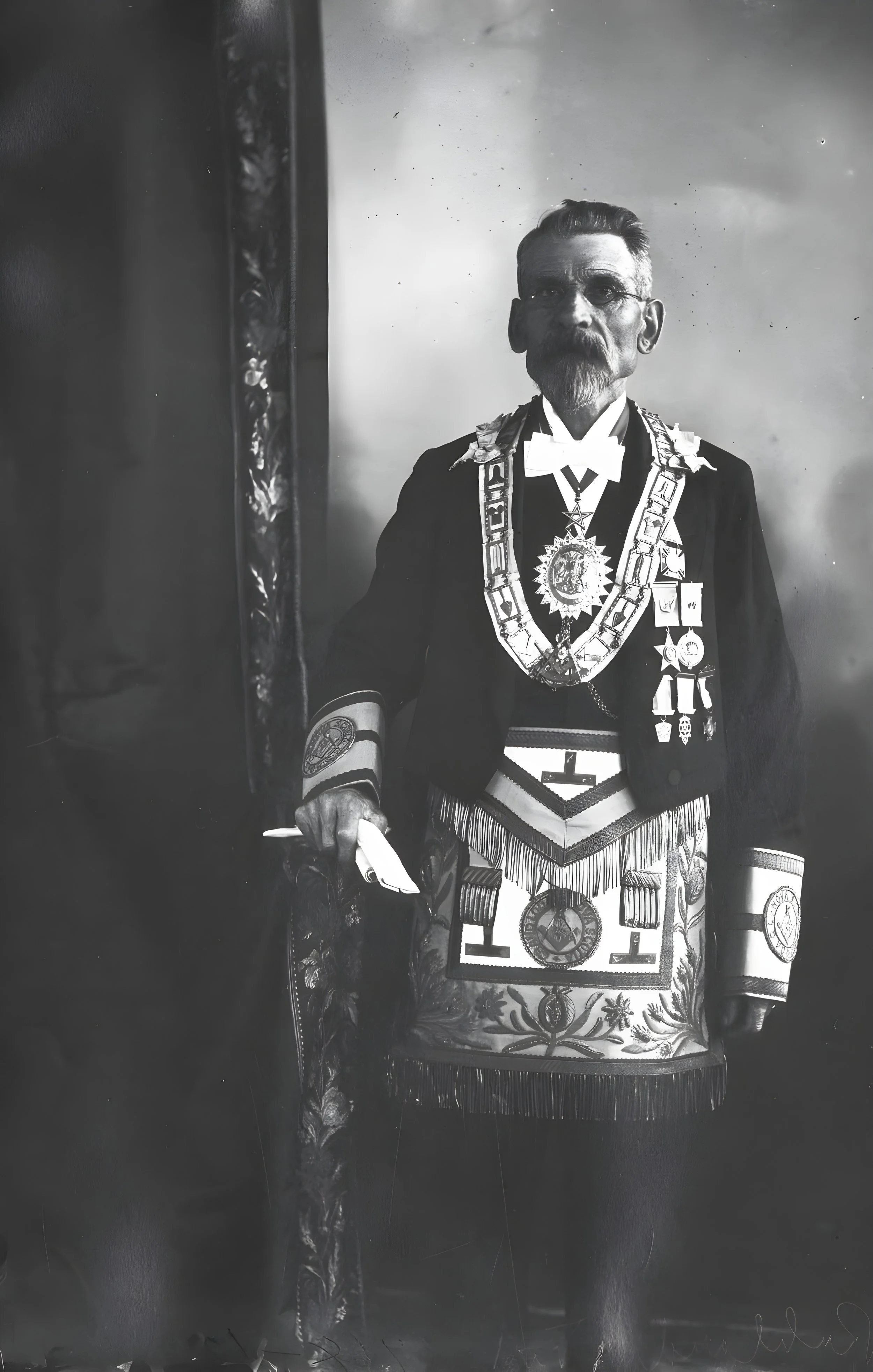
The Great Geometers.
The Lodge & The Line
The officers, masons, and architects bound by the Victorian military machine, esoteric brotherhoods, and forbidden desire. Meet the key players navigating the precise calculations of empire and the chaotic abyss of cosmic horror. Lo, receive the light!
✺
Imperial allegiance and exposure of the truth—two men are forced to confront an impossible choice: preserve the illusion of an empire, or expose a gruesome reality that could devour them whole. As military decorum gives way to subterranean horror, their fight for survival becomes a tragic descent into the dark, where love and ruin become indistinguishable.
✺
Behind the rigid geometry of empire lies an older, indifferent design. Bound by duty, surrounded by stone, and drawn into the dark, The Powers That Be keep a secret that renders all human order meaningless.
The Silhouettes of Influence
Here gather the long shadows of monoliths in whose wake our renegade men stand, each a danger to their survival in a game where imperial players dominate.
-
![]()
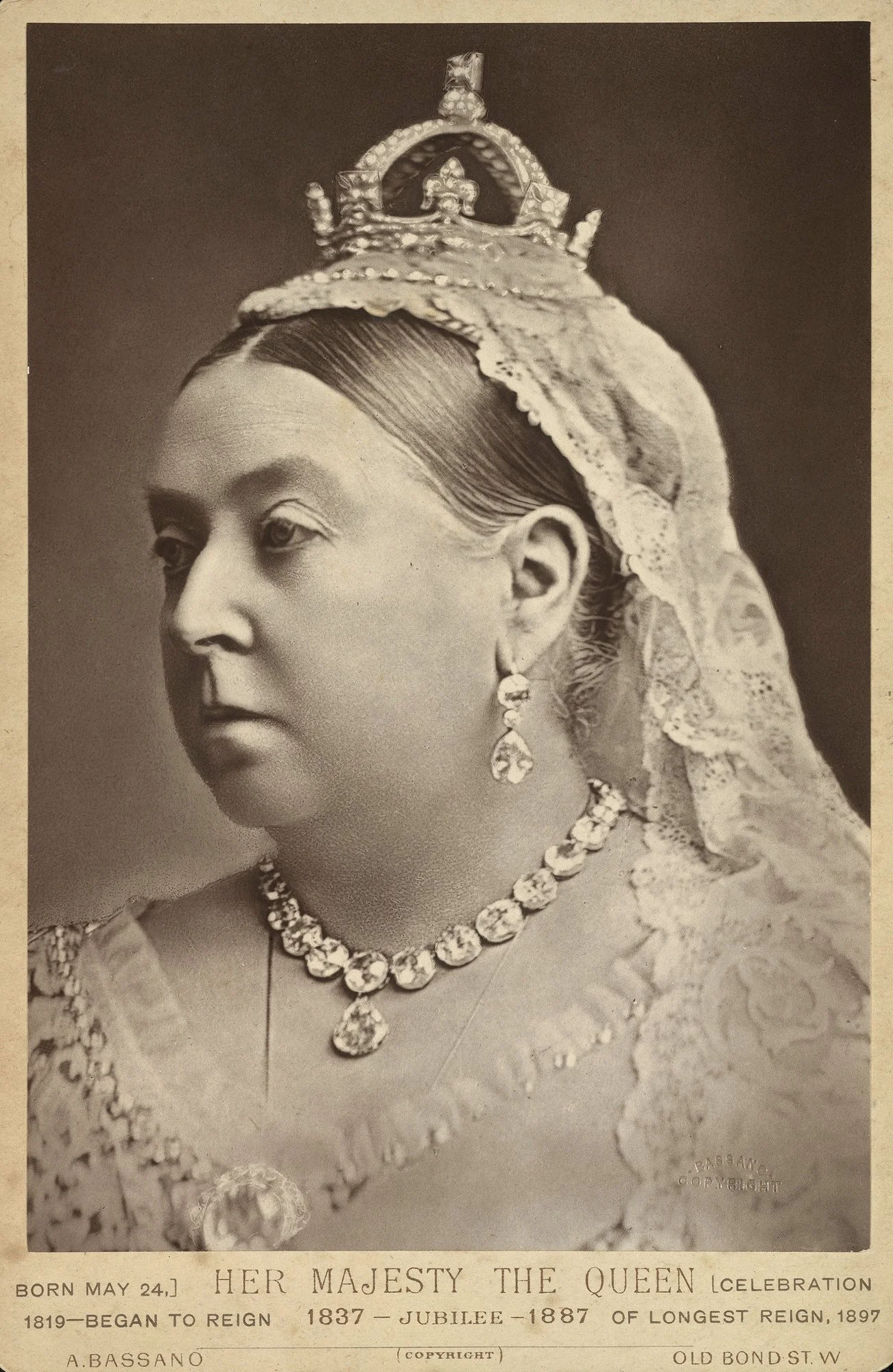
The Imperial Anchor
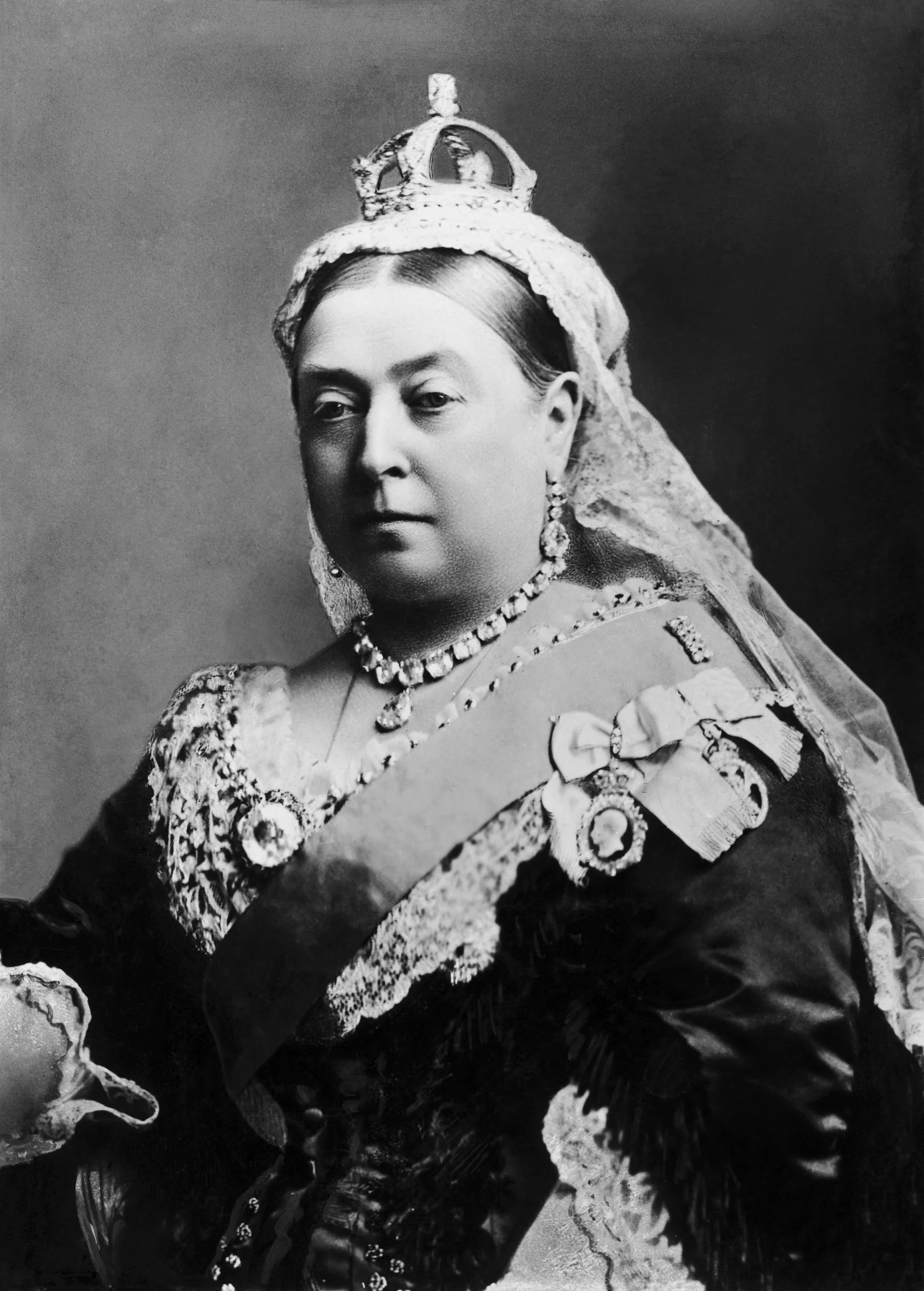
Victoria, Queen of the United Kingdom of Great Britain and Ireland and Empress of India, 1837–1901
(1819–1901)The sovereign head of state, whose absolute authority and vast global reach form the invisible ceiling over every military outpost. In the logic of the narrative, Victoria represents the supreme embodiment of order, light, and civilization—a stark, untouchable contrast to the ancient, indifferent chaos festering in the dark beneath Her Majesty’s forts. To the men down in the casemates, an oath to the Queen is the only thing keeping them tethered to reality, even as that reality breaks apart.
Source: Alexander Bassano (1829–1913), “Queen Victoria (1819–1901),” 1882, albumen print, 14.6 × 10.0 cm. (5 ¾ × 3 15/16 in., image), 16.6 × 11.0 cm. (6 17/32 × 4 21/64 in., mount), Acquired by HM Queen Elizabeth II, April 7th 2003, accession number RCIN 2510956, Royal Collection Trust, London; Copyright © His Majesty King Charles III
-
![]()
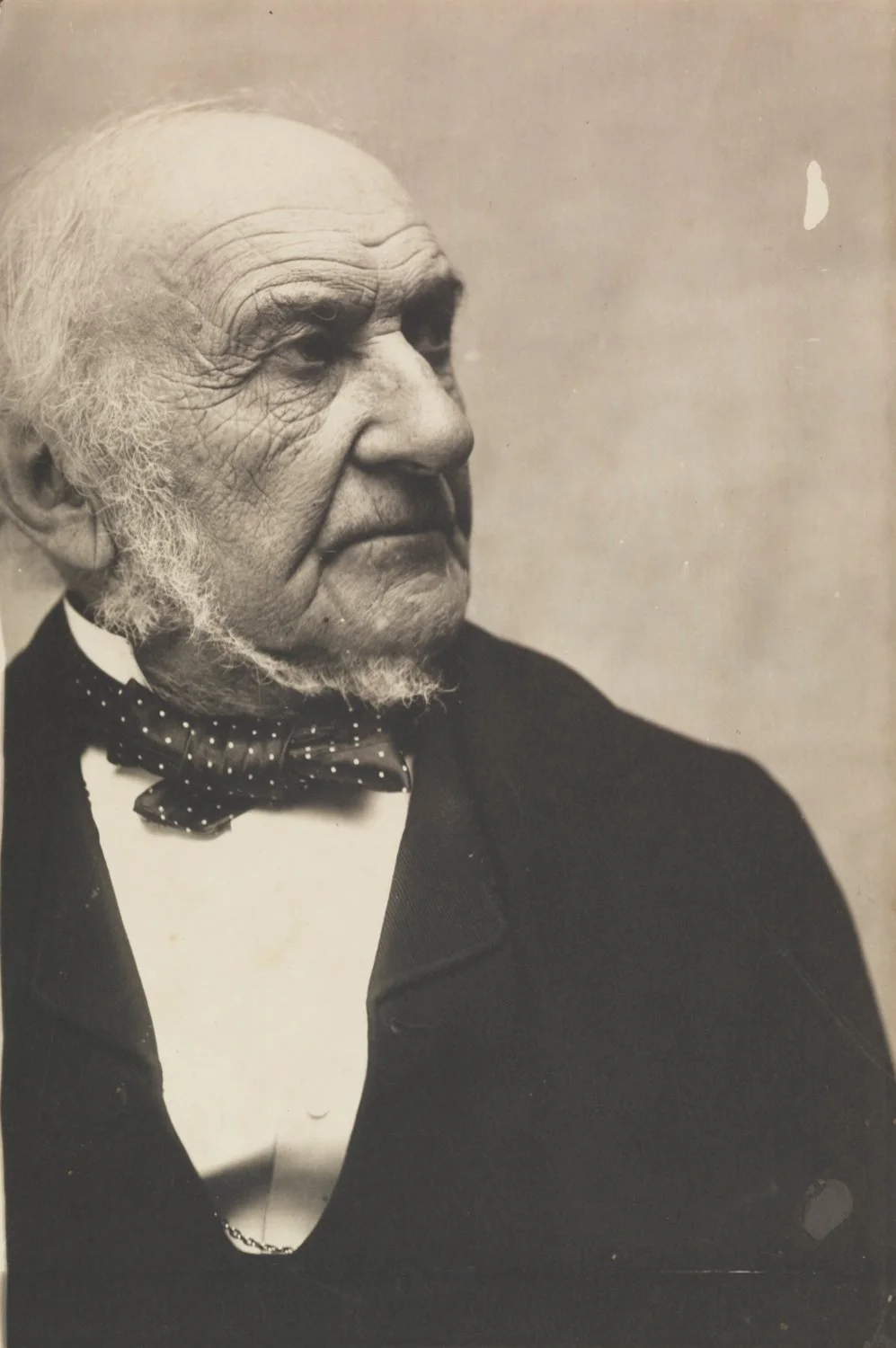
The Moralist Idealist
William Gladstone, Prime Minister of the United Kingdom of Great Britain and Ireland, 1868–1874
(1809–1898)A deeply religious, intellectually intense statesman who sought to impose Christian morality and parliamentary order over the expanding Empire. Within the fiction, Gladstone’s distant moral directives underscore the dark hypocrisy of the imperial machine. While high politics preaches high Victorian ethics, the subterranean depths of the Empire’s outposts hide forbidden human intimacy and unspeakable cosmic horror.
Source: Eveleen Myers (née Tennant) (1856–1937), “William Ewart Gladstone,” 25 April 1890, platinum print, 31.1 × 24.1 cm (12 ¼ × 9 ½ in.), Purchased, 1977, Primary Collection, accession number NPG P54, National Portrait Gallery, London
-
![]()
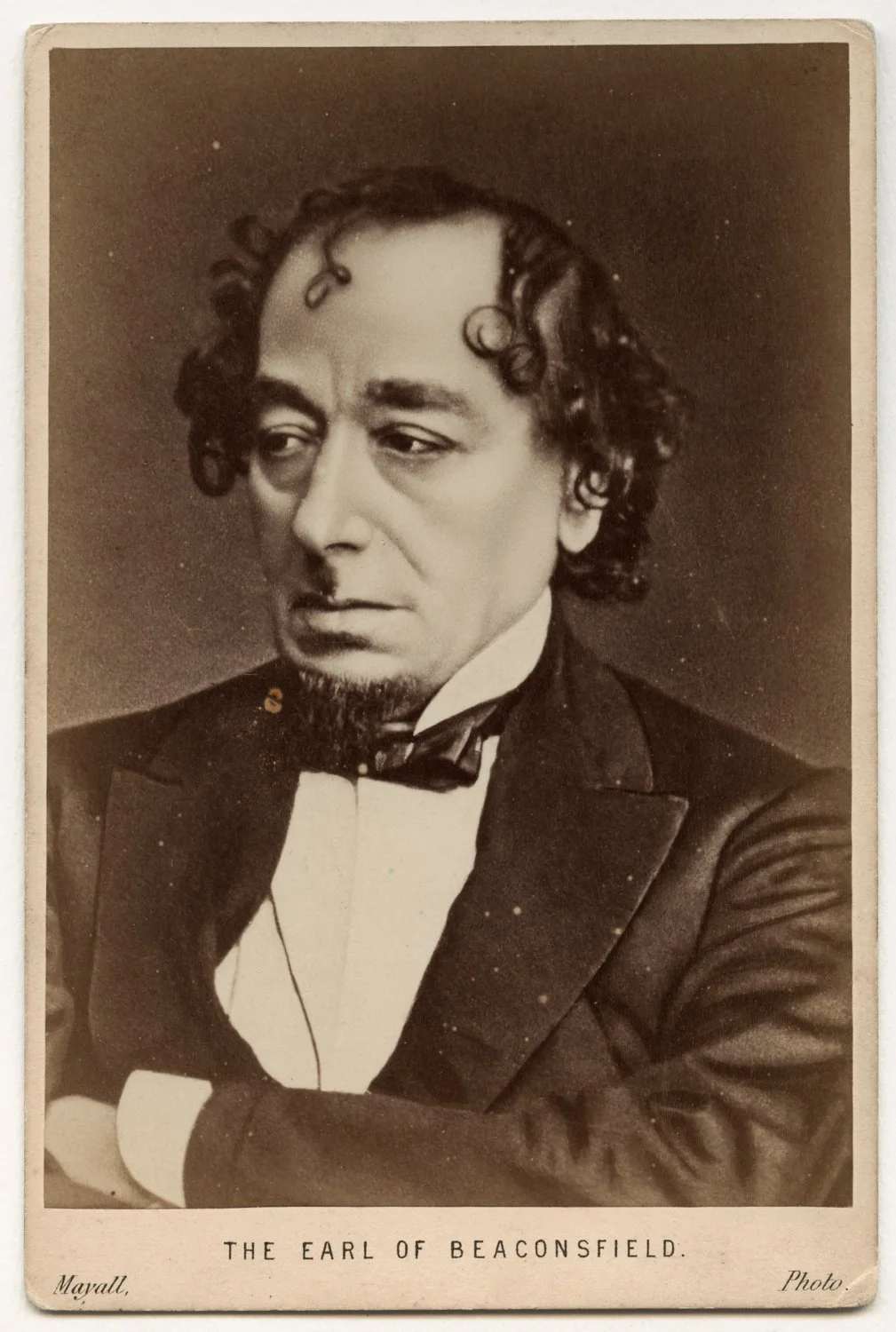
The Imperial Visionary
Sir Benjamin Disraeli, Earl of Beaconsfield, Prime Minister of the United Kingdom of Great Britain and Ireland, 1874–1880
(1804–1881)A charismatic statesman who aggressively expanded the cult of Empire, naming Victoria “Empress of India” and prioritizing global military dominance. In the film, Disraeli embodies high imperial paranoia, strategic secrecy, and the dangerous belief that human power can control global forces—an attitude that leads directly to fortified coastal casemates where military Hubris meets cosmic Nemesis.
Source: John Jabez Edwin Mayall (1813–1901), “Benjamin Disraeli, Earl of Beaconsfield” circa 1868, albumen cabinet card, 14.8 × 10.3 cm (5 ⅞ × 4 in.), Purchased, 1992, Photographs Collection, accession number NPG x46496, National Portrait Gallery, London
-
![]()
The Architect of Consolidation
Edward Cardwell, Viscount Cardwell, Secretary of State for War, 1868–1874
(1813–1886)The historical mastermind behind the sweeping Cardwell Reforms, which restructured the British Army, tied regiments to strict territorial districts, and professionalized the scientific corps. In plot terms, Cardwell’s bureaucratic efficiency and obsession with standardization are what trap the characters in a closed, hyper-regulated system. His reforms built the modern war machine—and inadvertently set the gears in motion for men to be locked away in places they were never meant to survive.
Source: Lock & Whitfield (active 1856–1894), “Edward Cardwell, Viscount Cardwell,” 1878 or before, woodburytype on paper mount, 11.9 × 9.3 cm (4 ⅝ × 3 ⅝ in.), Given by George Parker, 1936, Photographs Collection, accession number NPG x5629, National Portrait Gallery, London
-
![]()
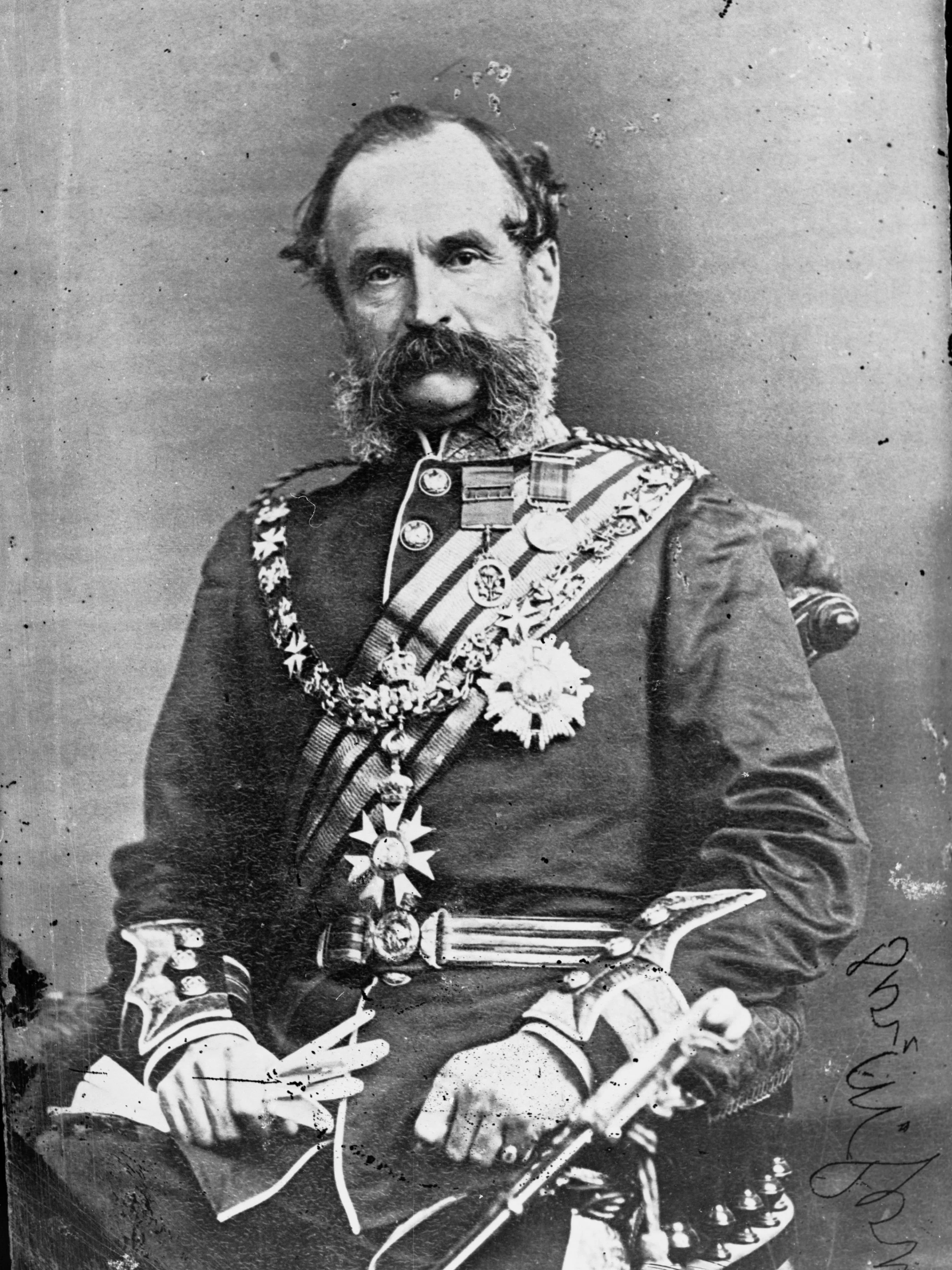
The Master Builder of Angles
Sir William Jervois, Lieutenant-General, Corps of Royal Engineers, and Director of Works for Fortifications, 1862–1875
(1821–1897)A legendary historical Royal Engineer famed for designing the impenetrable coastal fortifications of the British Empire. In the context of the story, Jervois is the high priest of sacred geometry and military architecture. His blueprinted angles and calculated lines of defence are treated by the characters as gospel, until they realize that precise engineering has accidentally mapped out something horrifying, turning a fortress into a cage.
Source: State Government Photographer (active 1880s), “Portrait of Governor William Jervois in Full Military Uniform,” 1880, photograph, dimensions not specified, accession number GN02384, South Australia Through the Lens Collection, History Trust of South Australia, Government of South Australia, Adelaide
-
![]()
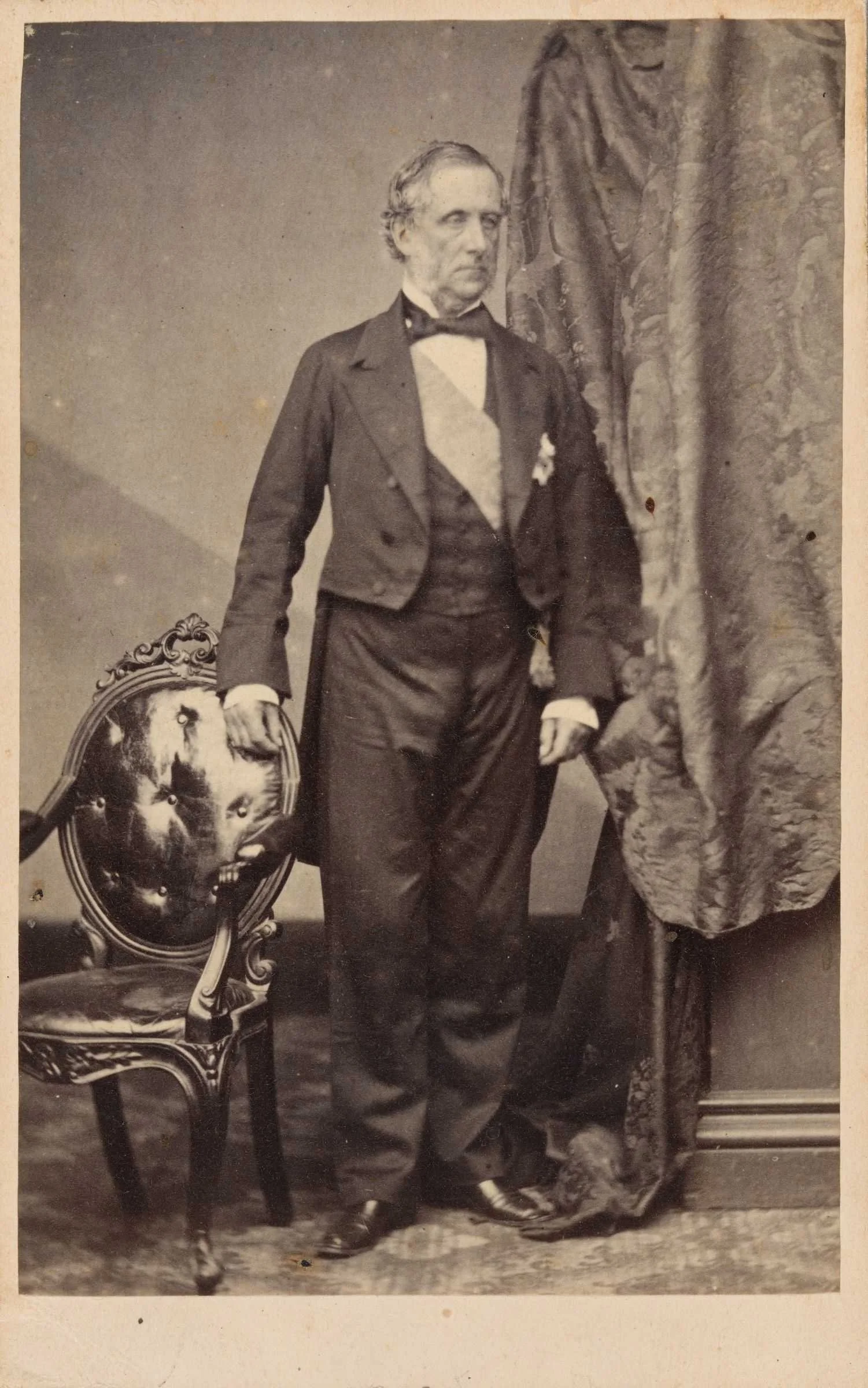
The Pragmatic Custodian
Sir John Young, Baron Lisgar, Governor General of the Dominion of Canada, 1869–1872
(1807–1876)A veteran imperial administrator tempered in Bombay, Ireland, and New South Wales who brought cold pragmatism to Rideau Hall. In the logic of the narrative, Lisgar represents the early, fragile architecture of Confederation—managing Fenian alarms and border tremors with unyielding devotion to Crown prerogative, entirely blind to the deep fractures opening beneath the Dominion’s eastern gateway.
Source: Freeman Brothers (active 1854–1900), “Sir John Young,” circa 1862, albumen paper photograph on carte de visite, 9.1 × 5.9 cm (3 37/64 × 2 21/64 in., image), 10.1 × 6.3 cm (3 31/32 × 2 31/64 in., mount), Purchased 2015, accession number 2015.52, National Portrait Gallery, Canberra
-
![]()
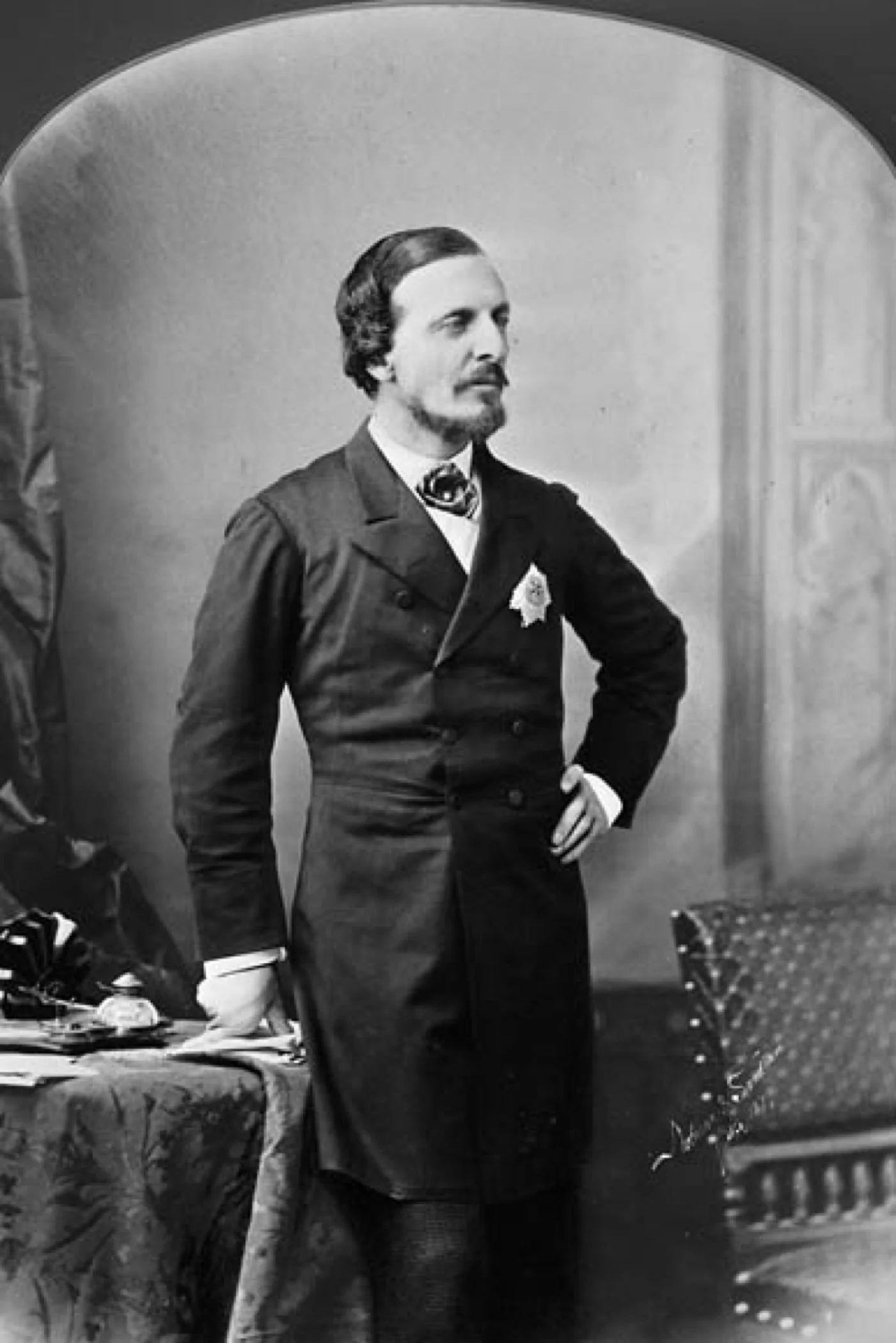
The Architect of Pageantry
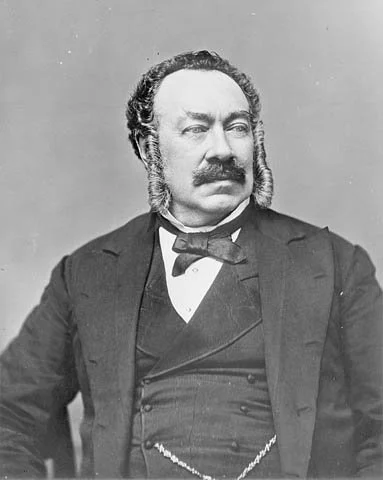
Sir Frederick Hamilton-Temple-Blackwood, Marquess of Dufferin and Ava, Governor General of the Dominion of Canada, 1872–1878
(1826–1902)A master of imperial theatre and psychological spectacle who traversed the raw continent while preserving Quebec’s ancient stone fortifications. In the story’s universe, Dufferin projects an effortless illusion of eternal British permanence from the Citadel, maintaining high-altitude political charm even as the Pacific Scandal and subterranean dread erode the foundations from below.
Source: Notman & Sandham (active 1856–1935), “Lord Dufferin,” 1878, albumen photograph on silver paper, 43 × 29 cm (16 59/64 × 11 27/64 in., image), 60.5 × 43.5 cm (23 13/16 × 17 ⅛ in., mount), Presented personally to the late Sir Richard Scott donated to the Public Archives by Miss Mary Scott 1920, accession numbers 3215134 and 1969-001 NPC, copy number C-001285, Library and Archives Canada, Ottawa
-
![]()
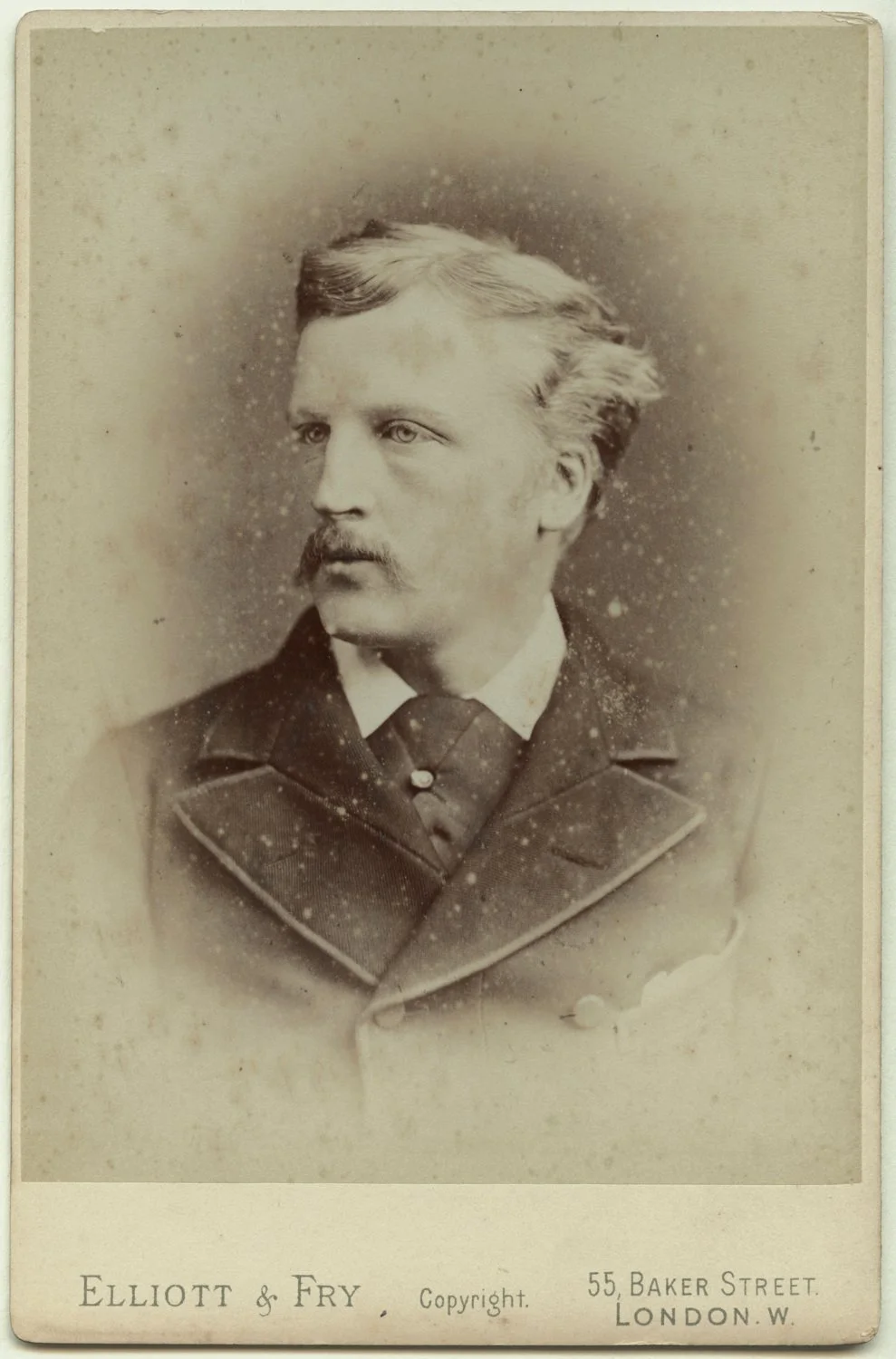
The Imperial Envoy
Sir John Campbell, Marquess of Lorne and Duke of Argyll, Governor General of the Dominion of Canada, 1878–1883
(1845–1914)Heir to Argyll and husband to Princess Victoria’s fourth daughter, Princess Louise, carrying the literal bloodline of the Crown onto Halifax shores in late 1878. In the film, Lorne embodies high cultural imperialism—attempting to bind a restless, expanding frontier to London through institutions and art, unaware that the physical rock beneath his feet is answering to an older, indifferent design.
Source: Elliott & Fry (active 1863–1962), “John Campbell, 9th Duke of Argyll,” 1886–1892, albumen cabinet card, 14.5 × 10.5 cm (5 ¾ × 4 ⅛ in.), Purchased, 2001, Photographs Collection, accession number NPG x128407, National Portrait Gallery, London
-
![]()
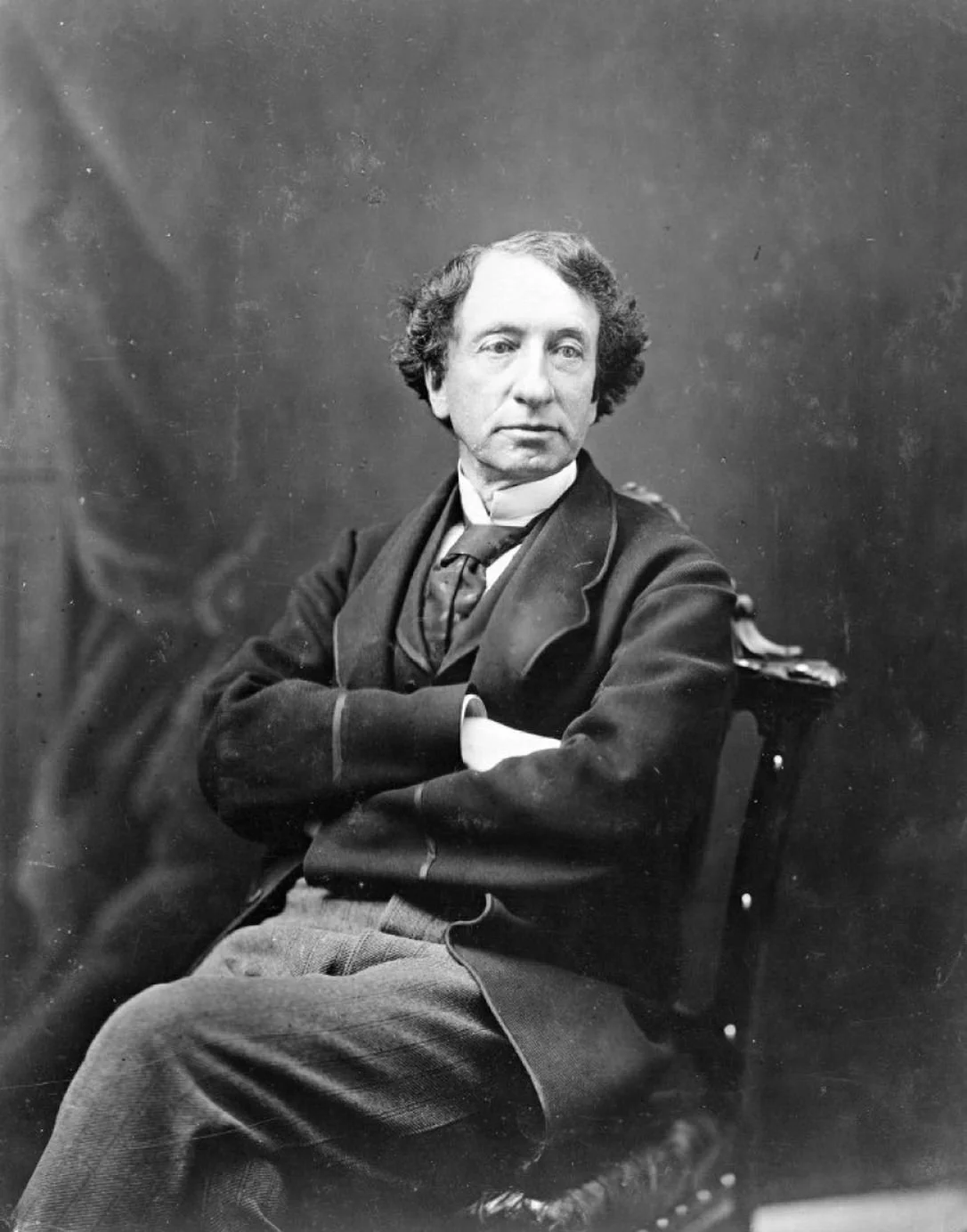
The Imperial Architect of State
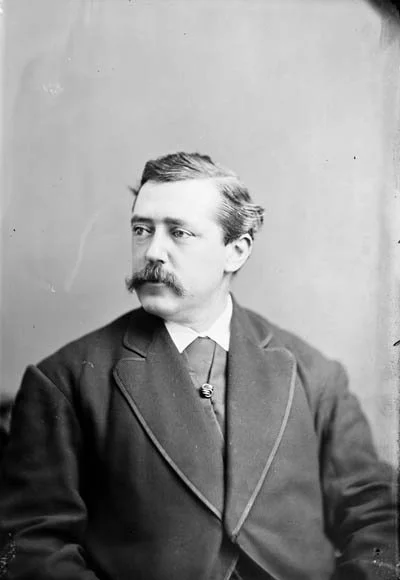
Sir John A. MacDonald, Premier of the Dominion of Canada, 1867–1873, 1878–1891
(1815–1891)The defining political titan of Confederation, obsessed with expanding national infrastructure and maintaining tight ties to the British Crown. In the narrative’s universe, Macdonald represents the cold political ambition that treats human lives and garrison towns like draft pieces on a map. His regime’s drive to fortify the Dominion’s eastern coastline creates the mandate for deep subterranean tunneling in Halifax—unwittingly funding an excavation that breaches things better left sealed.
Source: William James Topley (1845–1930) for Notman Studio Ottawa (active 1856–1935), “John A. MacDonald,” 1872, photograph on silver paper, 22.6 × 18.6 cm (8 57/64 × 7 21/64 in., image), 25.6 × 32.9 cm (10 5/64 × 12 61/64 in., mount), Acquired from an untraceable source, accession numbers 3333452 and 1966-107 NPC, copy number C-010144, Library and Archives Canada, Ottawa
-
![]()
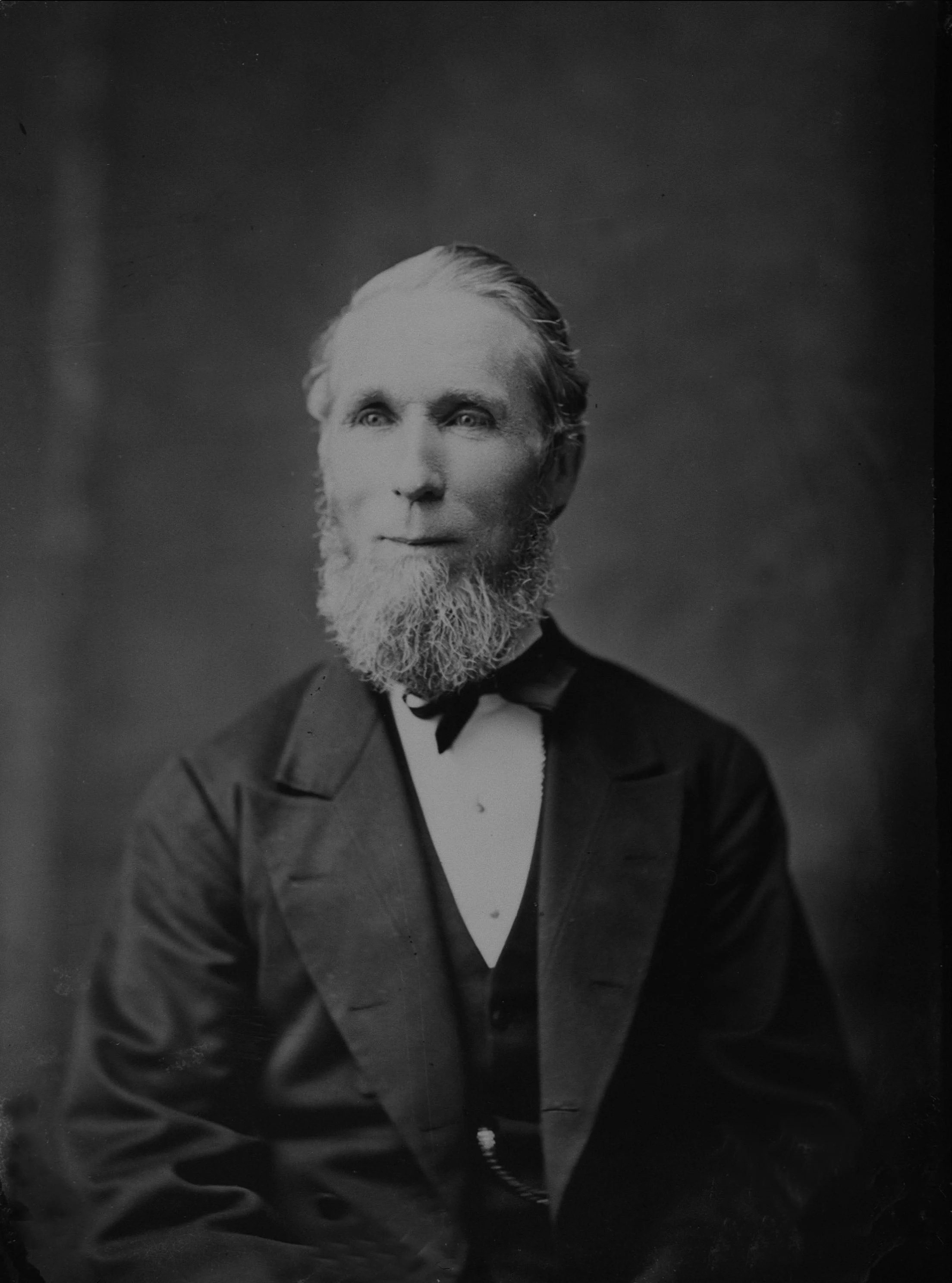
The Master Stonemason of Governance
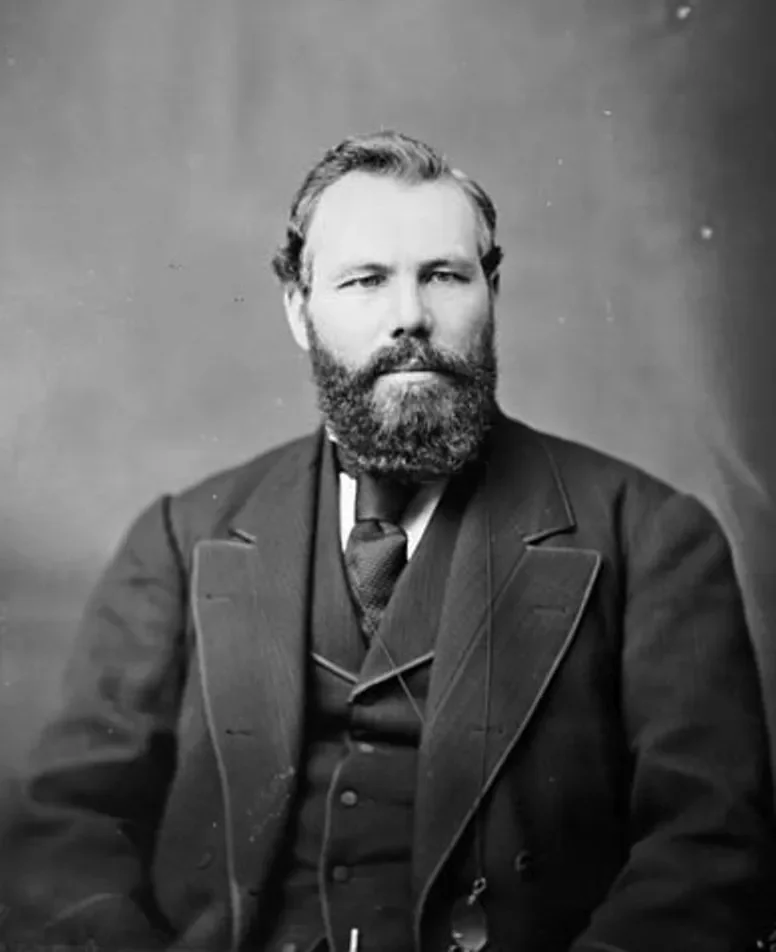
Alexander Mackenzie, Premier of the Dominion of Canada, 1873–1878
(1822–1892)Historically a trained stonemason before entering politics, Mackenzie brought a literal, rigid understanding of building and architecture to the highest office in Canada. In the film, his background adds a layer of dread: a Prime Minister who understands stone, precision, and structural integrity, yet remains blind to the occult geometry and ancient masonry being carved out beneath the nation’s—and Empire’s—premier naval port. True to his humble working-class roots, he refused Victoria’s offers of knighthood three times, as well declined becoming a Privy Councillor, foregoing being titled Right Honourable. He is Canada’s only Prime Minister—then called Premier of the Dominion of Canada—to not be knighted before World War I.
Source: William James Toopley (1845–1930), “Hon. Alexander Mackenzie, M.P. (Lambton),” March 1878, photograph on glass, 12.7 × 17.78 cm (5 × 7 in.), accession numbers 3194716 and 1936-270 NPC, copy number PA-026522, Library and Archives Canada, Ottawa
-
![]()
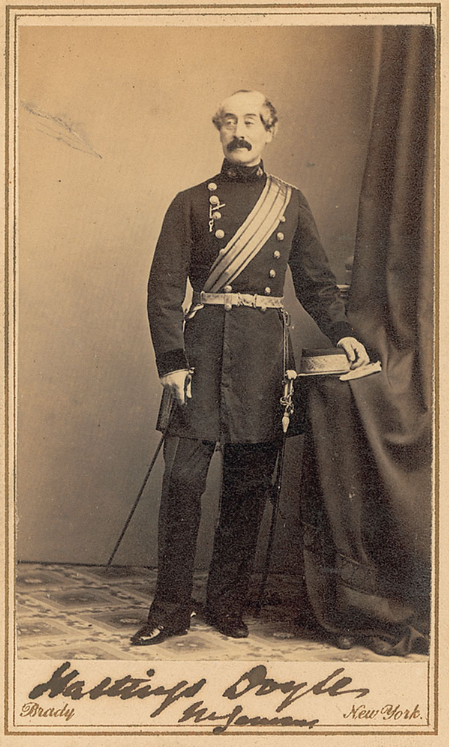
The Garrison General
Sir Charles Doyle, Lieutenant Governor of Nova Scotia, 1867–1873
(1804–1883)A Sandhurst Royal Military College career soldier holding dual command as General Officer Commanding British Forces in North America. In the narrative, Doyle is the embodiment of the militarized state—managing Fenian threats, Civil War fallout, and anti-Confederation rage with military iron, treating Halifax as a fortress whose walls can contain anything.
Source: Mathew B. Brady (circa 1823–1896), “Charles Hastings Doyle,” 9 March 1865, albumen print carte-de-visite, 5.715 × 10.16 cm (2 ¼ × 4 in.), From Alexander Stewart Webb’s Album, Lot # 505, Civil War Auction (# 412) of July 25, 2013, RR Auction, Amherst, New Hamsphire
-
![]()
The Broken Tribune
Joseph Howe, Lieutenant Governor of Nova Scotia, 1873
(1804–1873)The firebrand printer, poet, and fierce anti-Confederation architect of responsible government who finally took the oath at Government House only to die three weeks later. In plot terms, Howe’s brief, tragic occupancy stands as an omen—the ultimate voice of Nova Scotian resistance silenced at the threshold of the viceregal seat just as the deep rock begins to shift.
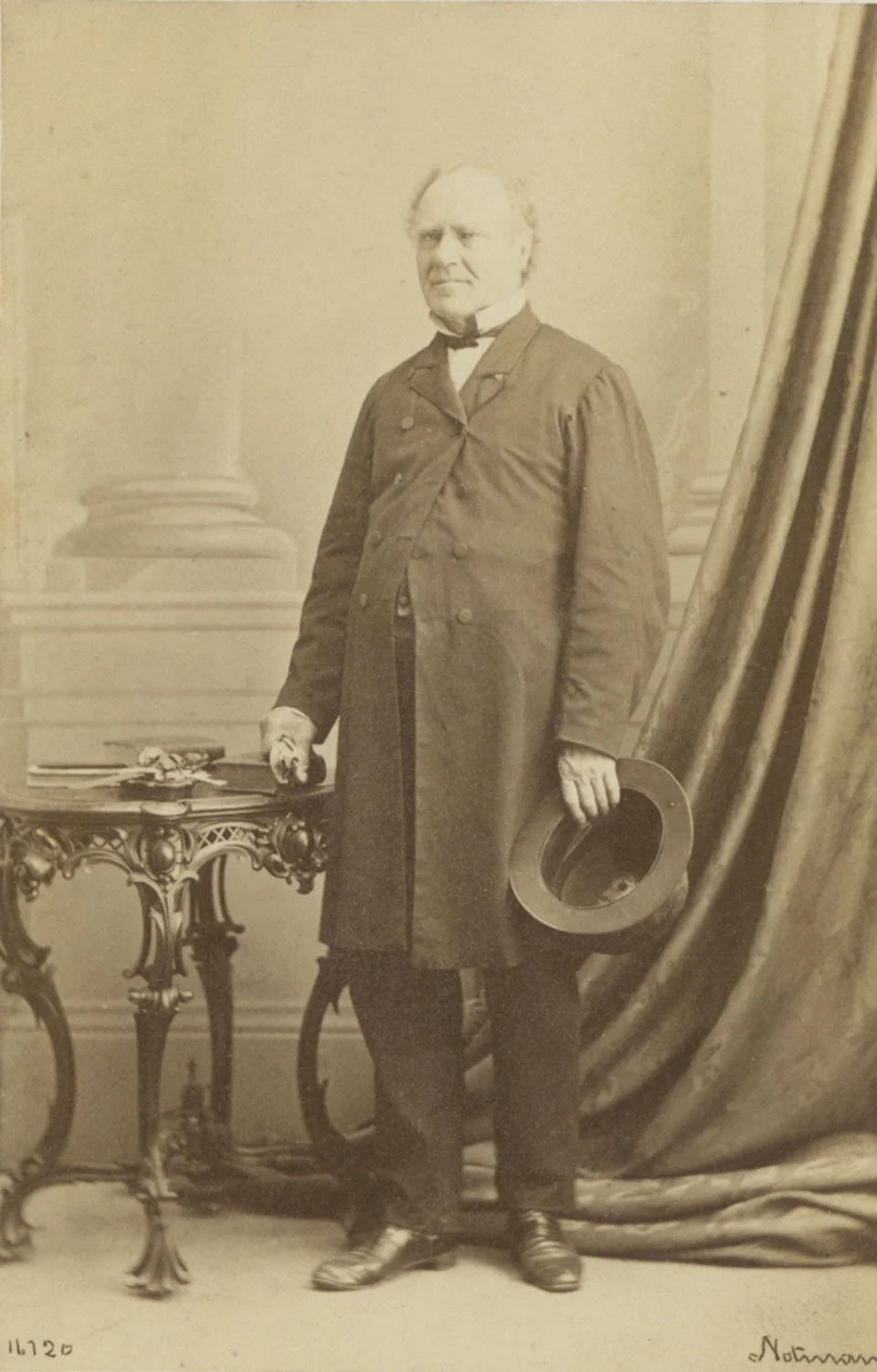
Source: Notman Studio Halifax (active 1856–1935), “Hon. Joseph Howe,” 1865, photograph, dimensions not specified, Presented by Patterson, reference Notman Studio Nova Scotia Archives 1983-310 number 16720 / negative: N-0692, Nova Scotia Archives, Halifax
-
![]()
The Local Viceroy
Sir Adams Archibald, Lieutenant Governor of Nova Scotia, 1873–1883
(1814–1892)A Father of Confederation and legalistic jurist fresh from imposing order on Manitoba. In the narrative, Archibald is the face of immaculate civic decorum and protocol at Government House—his formal levées and aristocratic comfort standing in stark, terrifying contrast to the psychological disintegration occurring inside the wet stone walls of the harbour batteries.
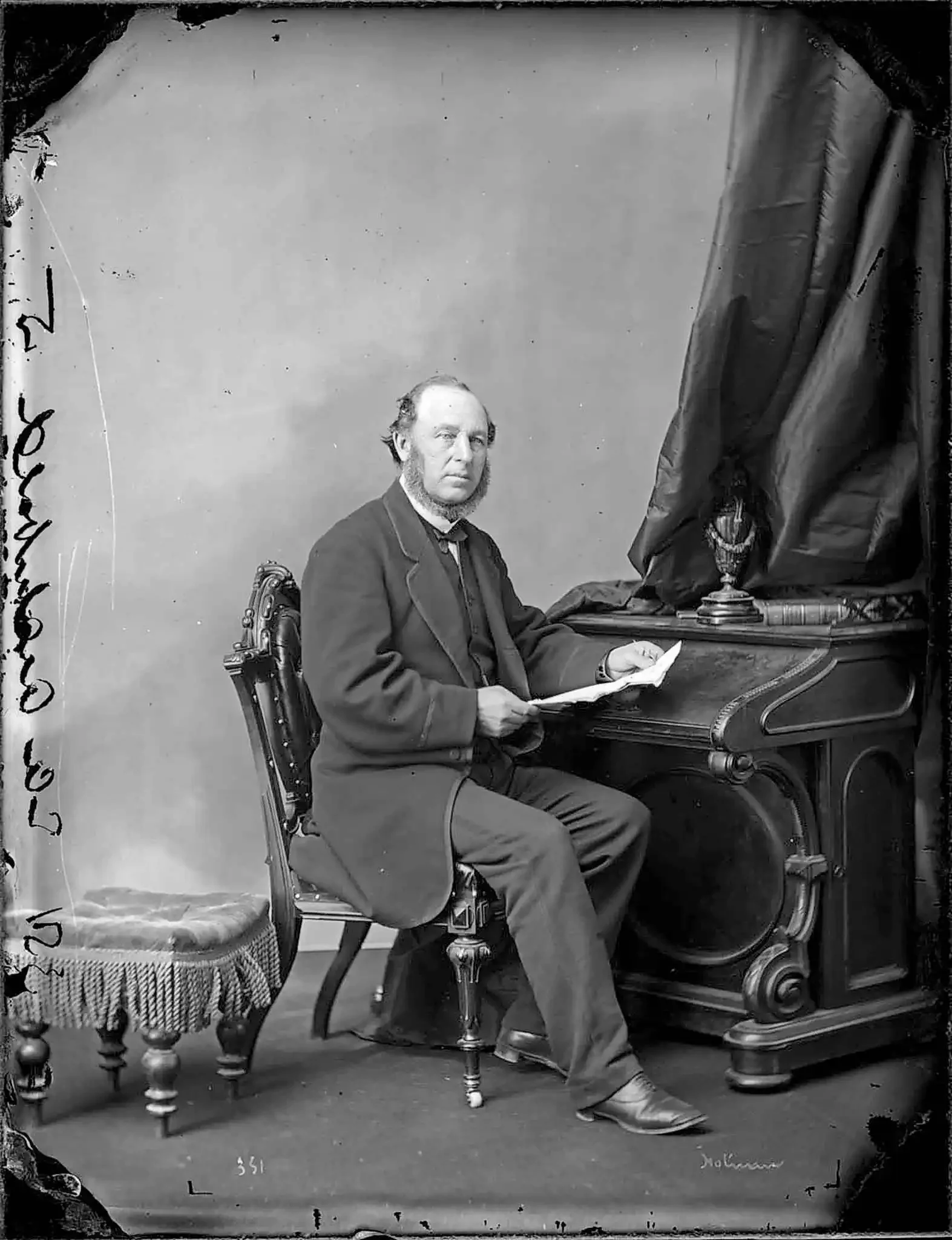
Source: William James Topley (1845–1930), “Archibald, Adams George Hon. (Sec. of State for the Provinces) b. May 18, 1814 d. Dec. 14, 1892,” April 1868, photograph on glass, 8.255 × 10.795 cm (3 ¼ × 4 ¼ in.), accession numbers 3469700 and 1936-270 NPC, copy number e010934017-v8, Library and Archives Canada, Ottawa
-
![]()
The Standard-Bearer of Resistance
William Annand, Premier of Nova Scotia, 1867–1875
(1808–1887)A publisher and merchant prince who governed Nova Scotia from the unelected Legislative Council through the bitter aftermath of union. In the fiction, Annand’s stubborn crusade for Repeal and management of mounting railway debt represent the blind political stubbornness of an elite fighting human battles while a cosmic abyss opens beneath their feet.
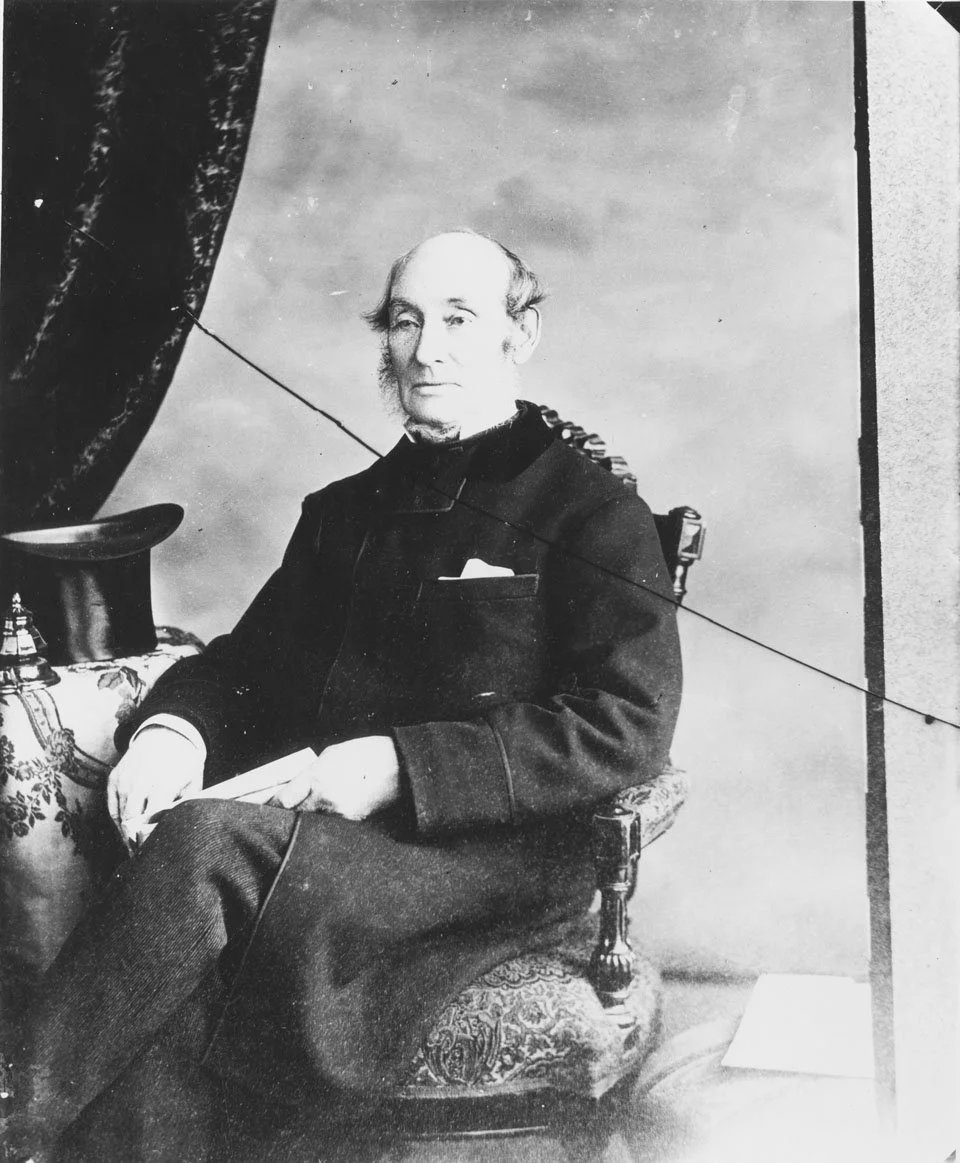
Source: Notman Studio Halifax (active 1856–1935), “Hon. William Annand,” before 1887, contact print from glass negative, dimensions not specified, reference Notman Studio Nova Scotia Archives 1983-310 number 49227, Nova Scotia Archives, Halifax
-
![]()
The Beleaguered Scholar
Philip Hill, Premier of Nova Scotia, 1875–1878
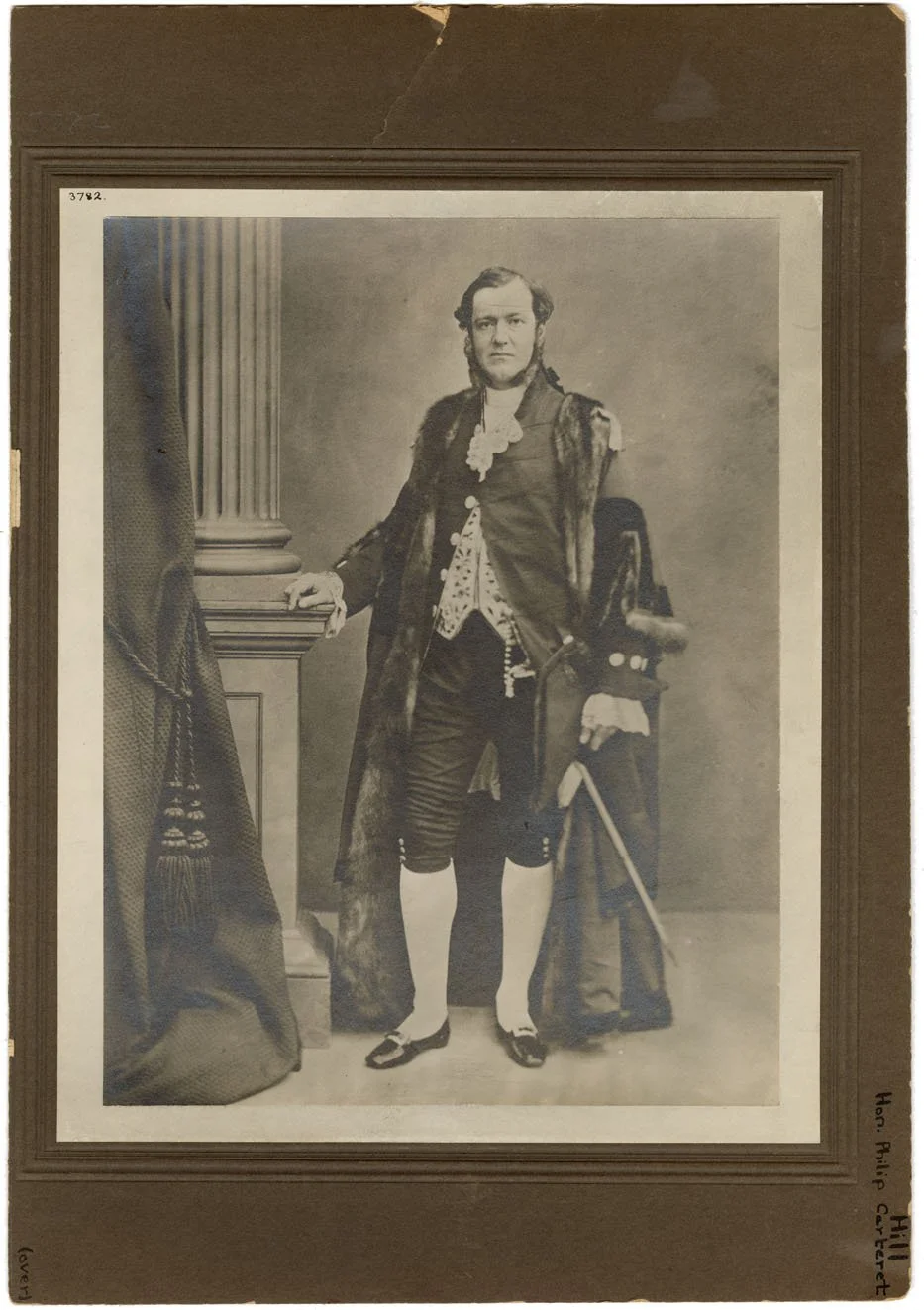
(1821–1894)An Anglican churchman, former mayor, and man of letters who inherited a fracturing administration crippled by economic stagnation. In the film, Hill’s administrative paralysis and subsequent flight into theological exile mirror an establishment utterly unequipped to comprehend the structural decay and occult horror gnawing at the province’s foundations.
Source: Anonymous (floruit 1821–1894), “People: Hill, Hon. Philip Carteret,” circa 1860, photograph mounted on cardboard, dimensions not specified, Collected by the staff of the Nova Scotia Archives from an unidentified source between 1930–1970, reference Nova Scotia Archives Photographic Collection / N-1333, Nova Scotia Archives, Halifax
-
![]()
The Unyielding Presbyterian
Simon Holmes, Premier of Nova Scotia, 1878–1882
(1831–1919)A Pictou County lawyer and Tory newspaperman who swept into Province House promising ruthless fiscal retrenchment and authoritarian municipal reform. In the narrative’s logic, Holmes’ rigid obsession with control and order represents the ultimate hubris of a government trying to legislate the chaos of a world fast surrendering to ruin.
Source: William James Topley (1845–1930), “Hon. Simon Hugh Holmes, (Premier of Nova Scotia) b. July 30, 1831 - d. Oct. 14, 1919,” April 1879, photograph on glass, 12.7 × 17.78 cm (5 × 7 in.), accession numbers 3415147 and 1936-270 NPC, copy number PA-026541, Library and Archives Canada, Ottawa
-
![]()
The Merchant Dynast
Stephen Tobin, Mayor of the City of Halifax, 1867–1870, 1878–1881
(1836–1905)Scion of a prominent Catholic mercantile house and Danish consul who bookended the 1870s in the mayor’s chair. In the story, Tobin represents the entrenched commercial elite whose counting houses and fortunes remain entirely tethered to the pulse of imperial garrison spending—returning to office at the decade’s close only to preside over a port whose prosperity is built upon the very stones sealing the harbour’s dark.
Source: William James Topley (1845–1930), “Tobin, Stephen M.P. (Halifax, N.S.) 1836–1905,” March 1873, photograph on glass, 12.7 × 17.78 cm (5 × 7 in.), accession numbers 3506490 and 1936-270 NPC, copy number PA-033550, Library and Archives Canada, Ottawa
-
![]()
The Jurist of the Realm
William Henry, Mayor of the City of Halifax, 1870–1871
(1816–1888)A Father of Confederation rejected by local anti-Confederation voters who used the mayoralty as a legalistic bridge to the inaugural bench of the Supreme Court of Canada in 1875. In the film, Henry’s sharp, unyielding legal intellect operates in a realm of pure human logic, entirely unready for an entity that obeys no known laws of physics or ballistics.
Source: William James Topley (1845–1930), “Willam A. Henry, Father of Confederation for Nova Scotia,” no date, photograph, 24.13 × 19.685 cm (9 ½ × 7 ¾ in.), accession numbers 3216728 and 1936-270 NPC, copy number C-011349, Library and Archives Canada, Ottawa
-
![]()
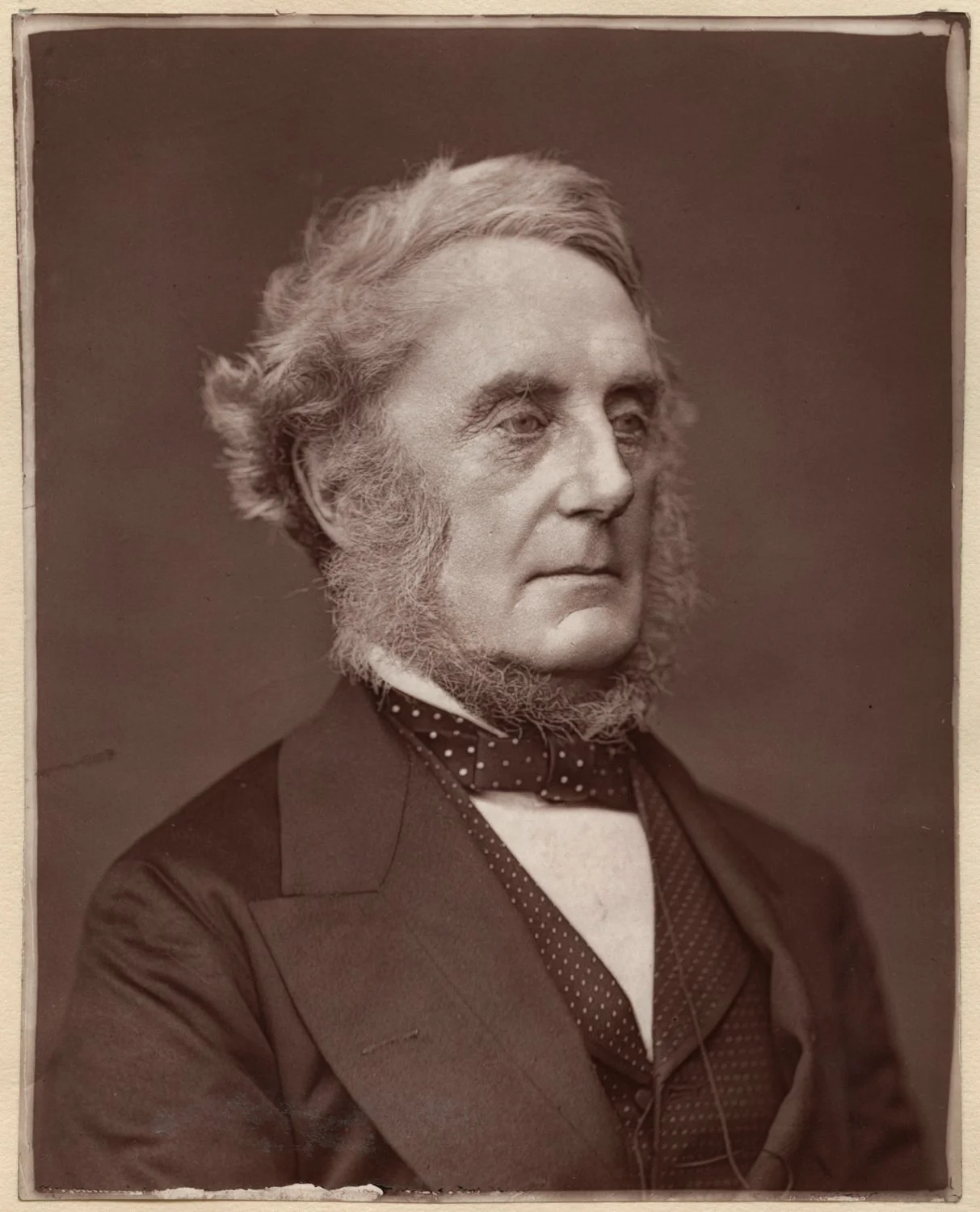
The Port Pragmatist
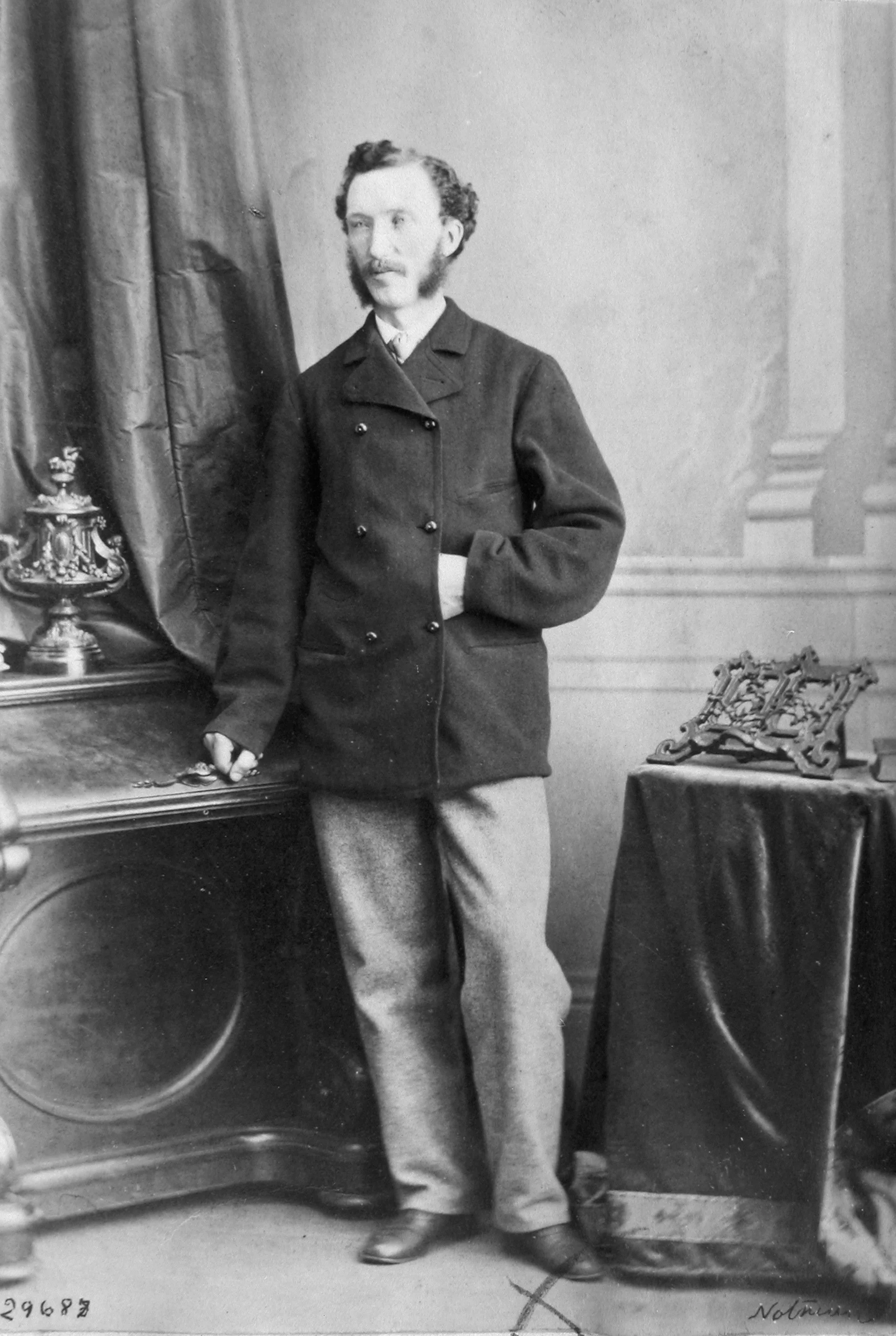
William Dunbar, Mayor of the City of Halifax, 1871–1872
(circa 1819/1824–1899)A steady commercial figure who presided over Halifax during its quiet structural adjustment to the Canadian Dominion and the modernization of its civic infrastructure. In the narrative, Dunbar embodies the everyday municipal routine of a premier North Atlantic naval station—maintaining the ledger-book normalcy of trade and gaslight on the surface while deep subterranean excavations breach the dark.
Source: William Notman (1826–1891), “William Dunbar, Montreal, QC, 1867,” 1867, photograph, silver salts on paper mounted on paper, albumen process, 8.5 × 5.6 cm (3 11/32 × 2 13/64 in.), Purchase, funds graciously donated by Maclean’s magazine, the Maxwell Cummings Family Foundation and Empire-Universal Films Ltd., accession number I-29688.1, McCord Stewart Museum, Montréal
-
![]()
The Keeper of the Green
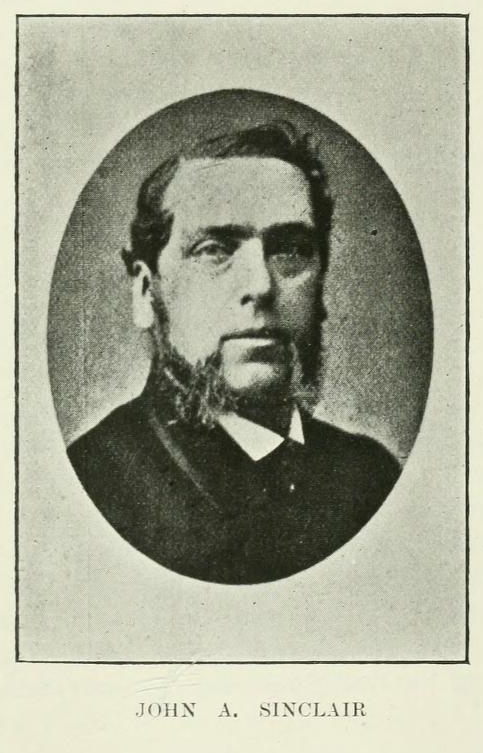
John Sinclair, Mayor of the City of Halifax, 1873–1875
(circa 1821/1828–1915)A Scottish wine merchant and municipal conservationist whose mayoral legacy includes co-signing the 1873 lease protecting Point Pleasant Park. In the film, his effort to preserve the forested headland and its coastal batteries unwittingly locks the public into a sanctuary built directly over the jaws of an ancient, sleeping nightmare.
Source: Illustration from James S[imon] MacDonald, “Biographical Note—1860” of “Annals, 1st Vol.—1768 to 1868” in Annals: North British Society: Halifax, Nova Scotia: With Portraits and Biographical Notes: 1768–1903, published at Halifax, N. S. by McAlpine Publishing Company, Limited in 1905; page [323].
-
![]()
The Methodist Moralist
Matthew Richey, Mayor of the City of Halifax, 1875–1878
(1828–1911)A prominent lawyer, Methodist layman, and future Lieutenant Governor who championed temperance, public morality, and strict civic uplift during the height of the mid-decade depression. In the logic of the narrative, Richey’s crusade to purify the garrison city’s streets and taverns represents a desperate, doomed attempt to impose spiritual order on a town whose corruption is geological rather than moral.
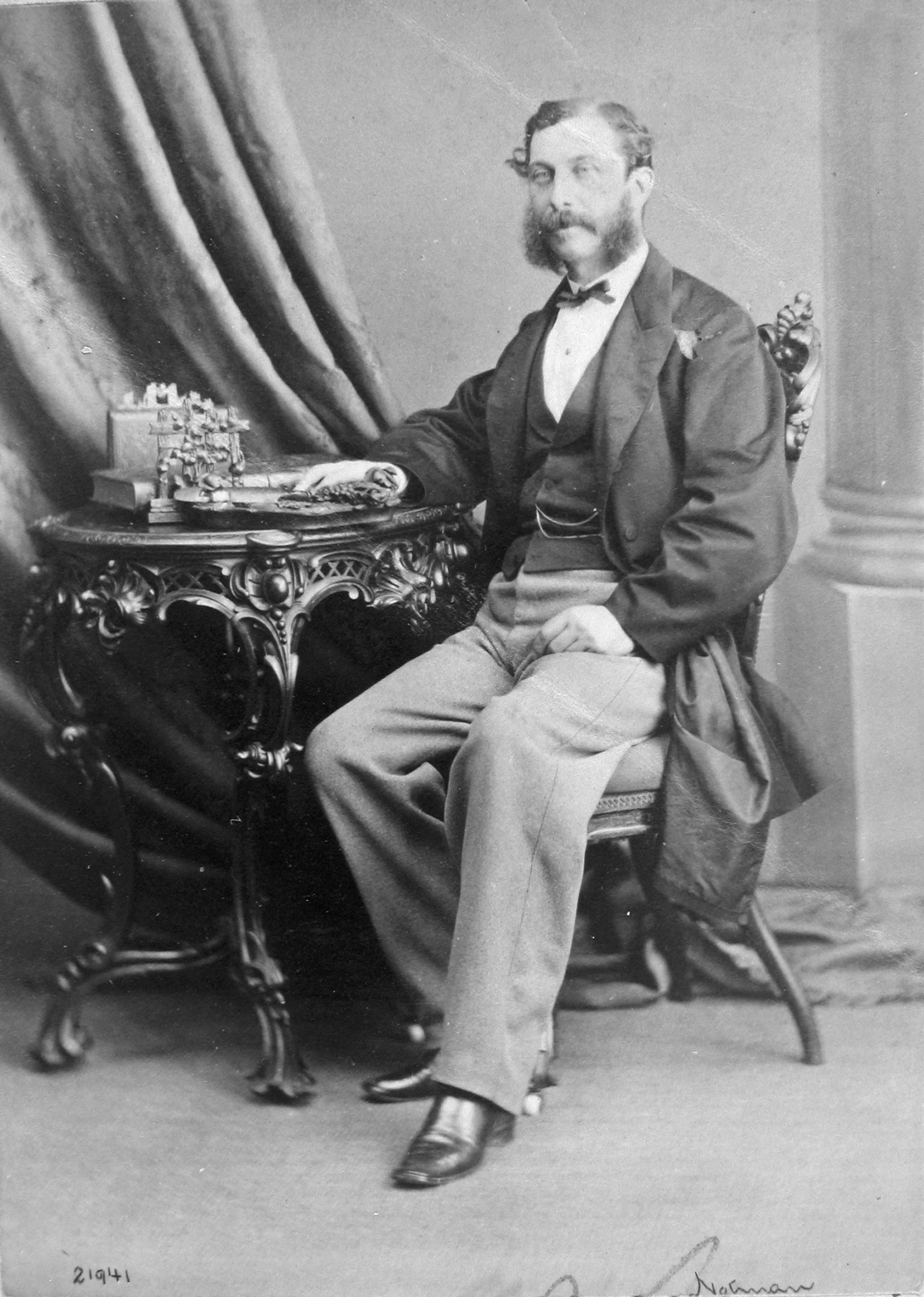
Source: William Notman (1826–1891), “Mathew H. Richey, Montreal, QC, 1866,” 1866, photograph, silver salts on paper mounted on paper, albumen process, 8.5 × 5.6 cm (3 11/32 × 2 13/64 in.), Purchase, funds graciously donated by Maclean’s magazine, the Maxwell Cummings Family Foundation and Empire-Universal Films Ltd., accession number I-21941.1, McCord Stewart Museum, Montréal
Behind the Scenes.
Within the Structure
Bound by oaths of allegiance yet haunted by what they have witnessed.
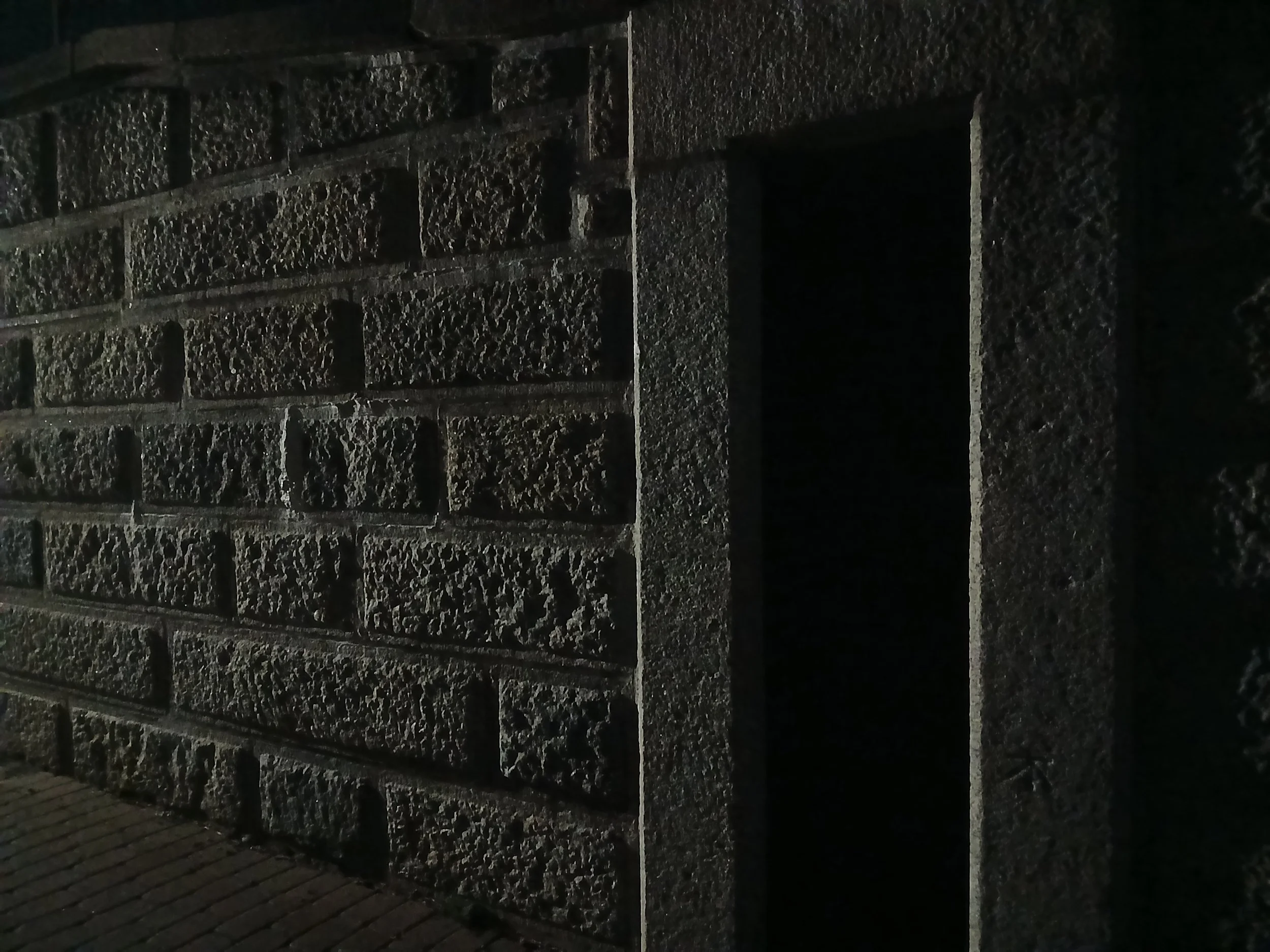
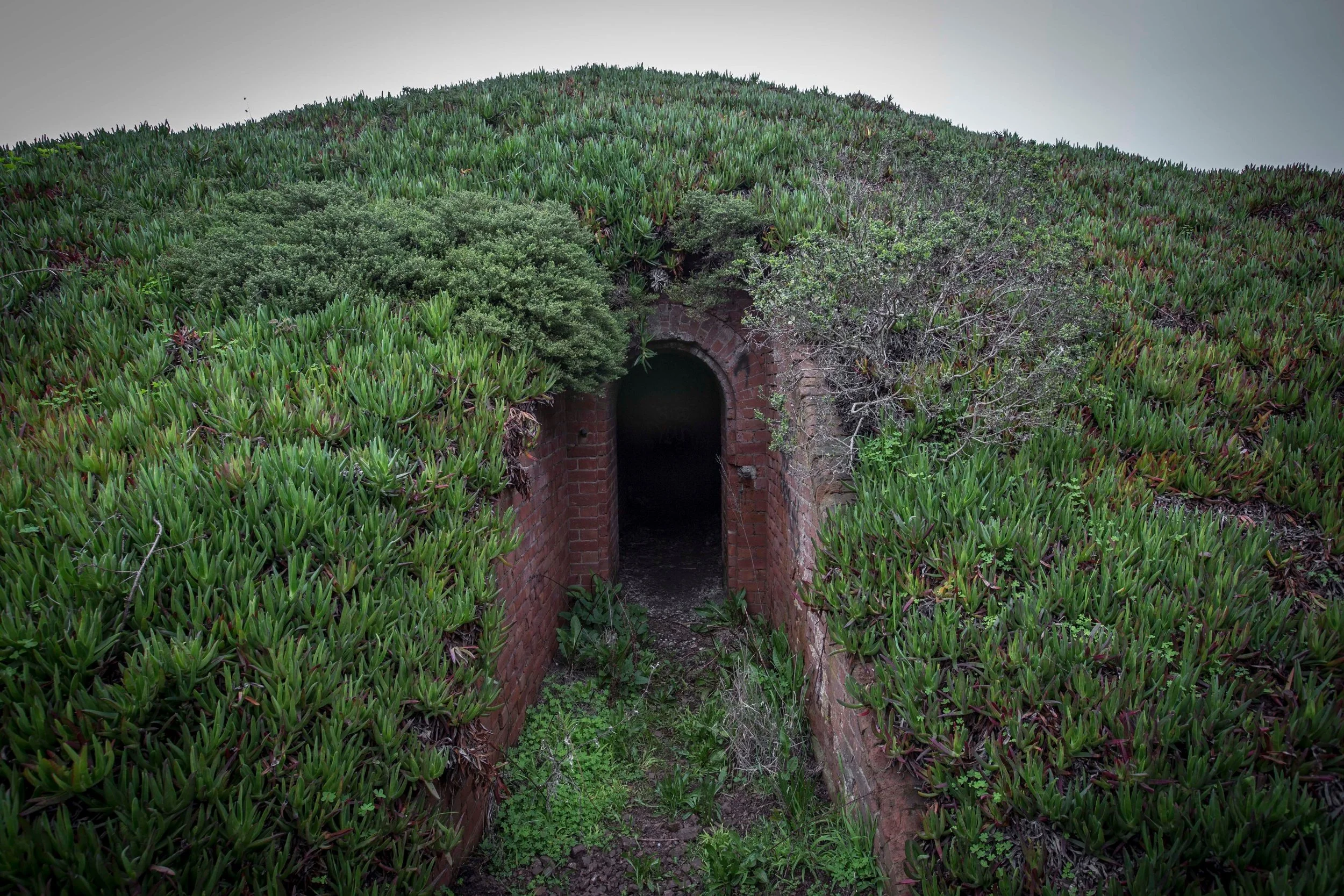
Step behind the stone walls. Witness the creation of our subterranean world—from architectural design and period-accurate Victorian military tailoring to the practical effects bringing a creeping cosmic dread to life on set. Unfolding in a world where shadows ignite and order surrenders to ruin, shine a light behind the scenes and compare our blurred eras.
Testimonials.
From the Depths
Listen to the echo of those crew toiling to craft this tale’s way out.
Insights from the creative team, actors, and historical consultants on breathing life into a dark historical narrative where military precision collides with supernatural terror and queer intimacy. The Geometry of Ruin blends meticulous historical realism with suffocating gothic dread and transgressive eroticism. Every visual and thematic element is a sculpted incantation, so listen to what these talented craftsmen envision.
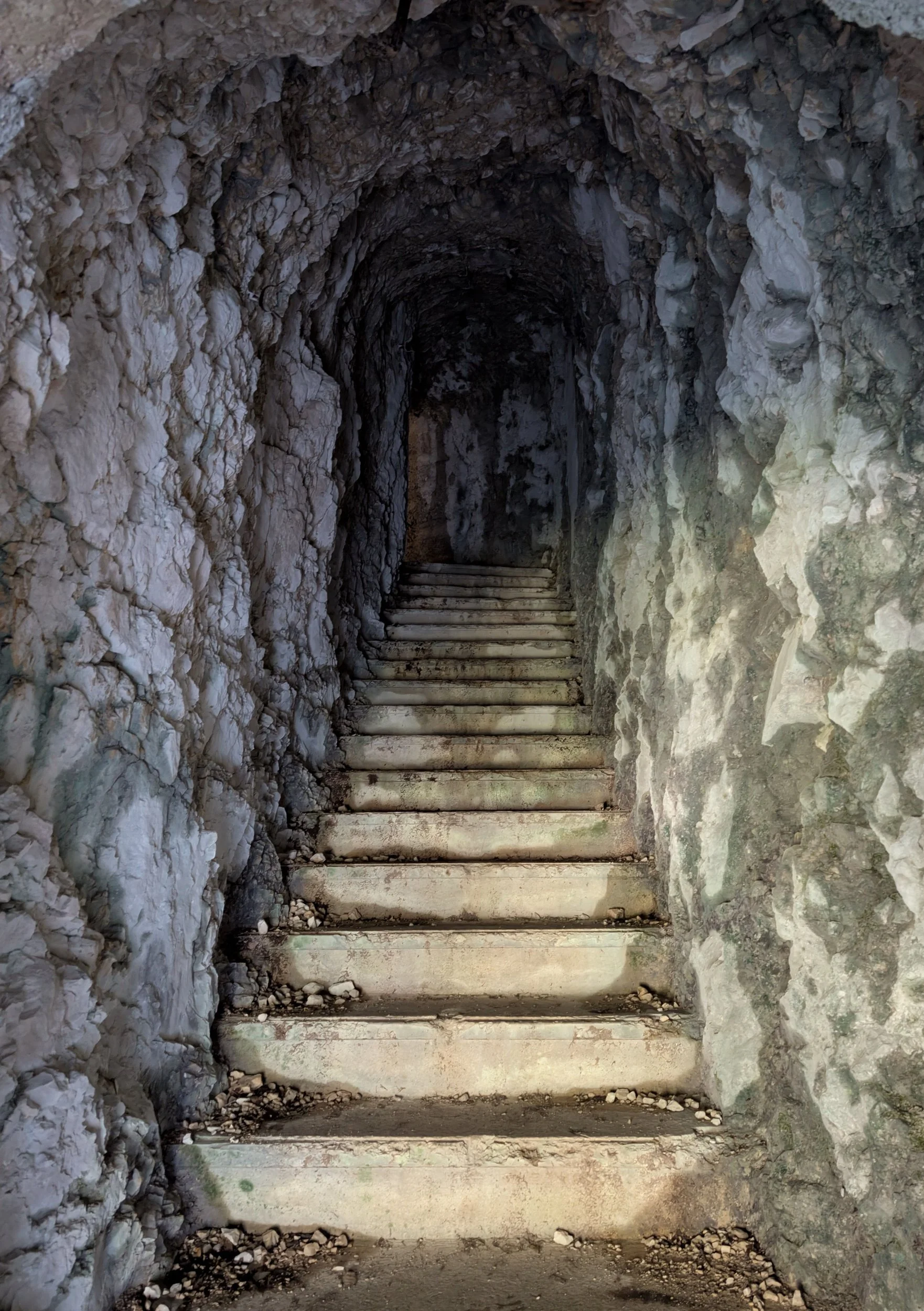
Call to Action.
Lay the Foundation
Invest, collaborate, or descend into the dark where love ignites.
Help us complete the structure. Whether you are looking to support independent cinema, invest in the production, or get involved with bringing this gothic horror to the screen, partner with us as we breach the dark. When the boundaries between human desire and cosmic terror dissolve, duty becomes a prison. Free us from what burdens collapse ambitions.
Press & Media Coverage